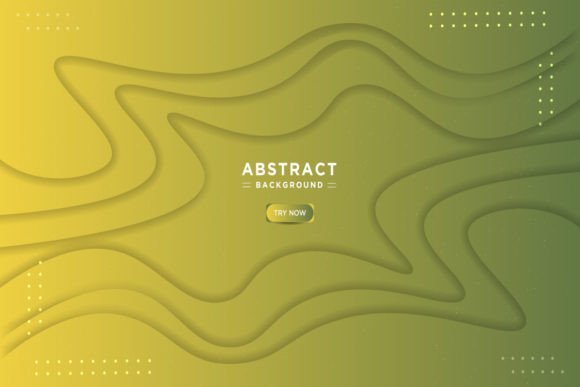
Abstract Vector Background with Waves: A Versatile Design Solution for Modern Creatives
In the world of digital design, the right background can transform a simple layout into something visually compelling. Among the many options available, the Abstract Vector Background with Waves stands out as a flexible and aesthetically pleasing choice. This design element—characterized by flowing wave patterns, gradient color transitions, and clean vector geometry—offers a modern backdrop for a wide range of projects. Whether you are a professional designer, a business owner creating marketing materials, or a content creator looking for a polished look, this background style provides a practical and visually engaging foundation.
Unlike static or photographic backgrounds, an abstract vector background with waves relies on mathematically defined shapes that scale without losing quality. The wave motif adds movement and depth, while gradients introduce subtle color shifts that catch the eye without overwhelming the content. This combination makes it a go-to resource for banners, wallpapers, flyers, and cover images where clarity and impact matter.
Understanding the Core Characteristics
Before using any design asset, it helps to know what makes it work. The Abstract Vector Background with Waves is built on a few key characteristics that define its look and functionality.
Wave Patterns and Fluid Motion
The wave elements create a sense of rhythm and flow. They can be smooth and subtle or bold and dynamic, depending on the design intent. In many files, these waves are layered to produce depth, making the background feel alive without being distracting.
Gradient Color Transitions
Gradients are central to this background style. They transition between two or more colors, often in the RGB Color Mode, which ensures accurate display on screens. The gradients can be soft and pastel for a calm look or vibrant and contrasting for energy and attention.
Vector Scalability
Because the design is vector-based, it remains crisp at any size. Whether you need a 1200×800 pixel banner or a large wallpaper, the Abstract Vector Background with Waves scales perfectly without pixelation.
Editable and Customizable Structure
Most professional files come fully editable. Objects, colors, and text can be adjusted to match your brand or project requirements. Files are typically provided in Illustrator EPS format, along with other vector and image variants.
Key Features That Add Practical Value
When evaluating an Abstract Vector Background with Waves, certain features directly affect usability and outcome. Here are the most relevant ones to consider:
- RGB Color Mode: Optimized for digital screens, ensuring vibrant and consistent colors across devices.
- Free Font Used: The typography in the design files is based on freely available fonts, so you can reproduce the same look without additional licensing costs.
- Fully Editable Files: Every element—shapes, colors, gradients, text—can be modified. This is essential for creating unique designs without starting from scratch.
- Standard Dimension: The 1200×800 pixel size works well for social media banners, presentation covers, and website headers. It is a common aspect ratio that fits many layouts.
- Professional and Clean Output: The files are organized, layered, and named logically, making editing straightforward even for those with moderate vector editing experience.
Who Can Benefit from This Background Style
The versatility of the Abstract Vector Background with Waves means it appeals to a broad audience. Understanding who finds it most useful helps you decide if it fits your own needs.
Graphic Designers and Creative Professionals
For designers, this background saves time. Instead of building a wave pattern from scratch, you have a ready-made base that can be customized. The editable layers allow for quick color swaps, wave adjustments, and integration with other design elements.
Business Owners and Marketers
Small business owners and marketing teams often need professional-looking materials on a tight schedule. An Abstract Vector Background with Waves provides a polished backdrop for social media graphics, email headers, flyers, and promotional banners. The gradient and wave combination conveys a modern, approachable brand image.
Content Creators and Bloggers
YouTube channel art, blog post featured images, and podcast cover art all benefit from clean, engaging backgrounds. The wave motif adds visual interest without competing with text or logos. The RGB color mode ensures the colors pop on screens, which is critical for digital content.
Event Organizers and Educators
Presentations, webinar slides, and event flyers need to look professional but not overly complex. The abstract wave background provides a balanced visual that supports readability while adding a touch of modernity.
Real-World Applications and Use Cases
Seeing how this background style performs in actual projects helps clarify its value. Here are several scenarios where the Abstract Vector Background with Waves delivers strong results.
Social Media Banners and Covers
LinkedIn banners, Facebook covers, and Twitter headers require designs that fit specific dimensions and convey brand identity quickly. Using an abstract vector background with waves as the base allows you to overlay your logo and tagline with confidence. The gradients draw the eye, while the waves add a layer of sophistication.
Website Backgrounds and Landing Pages
For websites that need a subtle, engaging background without slowing load times, vector-based wave backgrounds are ideal. They are lightweight compared to high-resolution images and can be styled to match the site's color palette. The 1200×800 pixel dimension works well as a background image for hero sections or full-width banners.
Presentation and Slide Decks
Whether for internal meetings or client pitches, slides with a cohesive background look more professional. An Abstract Vector Background with Waves can be used as a consistent visual theme across all slides. The editable nature of the files means you can adjust colors to align with your brand guidelines.
Print Materials: Flyers, Postcards, and Posters
While the RGB color mode is screen-optimized, the vector files can be converted to CMYK for print use. The abstract wave pattern works well on flyers and postcards where you want a modern, clean look. The free fonts included in the package ensure you can maintain typographic consistency without extra expense.
Wallpaper and Decoration
For digital wallpaper or decorative backgrounds on devices, the wave and gradient combination is both calming and visually appealing. The scalable nature of vector graphics ensures it looks sharp on any screen resolution.
Strengths and Considerations
No design asset is perfect for every situation. Understanding both the strengths and limitations of the Abstract Vector Background with Waves helps you use it effectively.
Strengths
- Time efficiency: Ready-made files reduce production time significantly.
- Customizability: Editable layers allow for unlimited variations.
- Scalability: Vector format ensures quality at any size.
- Visual appeal: Waves and gradients create a modern, dynamic look.
- Cross-platform use: Suitable for both digital and print applications with proper color conversion.
Considerations and Limitations
- Software requirement: Editing the EPS files requires vector editing software like Adobe Illustrator or a compatible alternative.
- Color mode: The RGB mode is ideal for screens, but if you plan to print, you may need to convert to CMYK and adjust colors accordingly.
- Design context: While versatile, the wave motif may not suit every brand or industry. For very formal or traditional contexts, a simpler background might be more appropriate.
- Originality: Because it is a pre-made asset, other users may have similar designs. Customizing colors and layout helps differentiate your final product.
How to Evaluate Suitability for Your Project
Choosing the right background involves more than just liking the look. Here is a practical framework for deciding whether an Abstract Vector Background with Waves meets your needs.
- Identify your medium: Are you designing for screen or print? If screen, the RGB mode is ready to use. If print, plan for color conversion.
- Check your software capabilities: Ensure you have access to vector editing tools that can handle EPS files. Free tools like Inkscape or Vectr may work, but Adobe Illustrator offers the most seamless experience.
- Assess your brand alignment: Does the wave pattern and gradient style complement your brand identity? Test a few color variations to see what feels right.
- Consider the level of customization needed: If you need a unique look, plan to modify colors, wave shapes, or layout. The editable files support this, but it requires some design skills or willingness to learn.
- Evaluate the final size requirements: The 1200×800 pixel dimension is a good starting point, but you may need to resize. Vector files make resizing easy without quality loss.
Practical Tips for Getting the Most Out of the Files
Once you have the Abstract Vector Background with Waves files, a few simple practices can help you achieve professional results.
- Start with color exploration: Experiment with different gradient combinations. The mood of the background changes dramatically with color choice.
- Layer wisely: Use the organized layers in the EPS file to isolate wave elements, gradients, and text. This makes adjustments faster and prevents accidental edits.
- Combine with other design assets: The wave background works well with clean typography, simple icons, and minimal graphic elements. Avoid cluttering the composition.
- Test readability: When overlaying text, ensure sufficient contrast between the background waves and the font. Soft gradients usually provide good contrast, but test on different screens if possible.
- Keep a master file: Save an unedited copy of the original files. If you need to make new variations later, you will have a clean starting point.
Final Thoughts on Using Abstract Vector Background with Waves
The Abstract Vector Background with Waves is more than just a decorative element—it is a practical tool that saves time, offers flexibility, and delivers visual impact. Its combination of wave patterns, gradient transitions, and vector scalability makes it suitable for a wide range of projects, from digital banners to printed flyers. The editable files, free fonts, and professional organization further lower the barrier to creating polished designs.
For anyone looking to enhance their visual content without investing extensive time in original illustration, this background style provides a reliable and attractive foundation. By understanding its features, strengths, and limitations, you can deploy it effectively in your next project. Whether you are a seasoned designer or a business owner handling your own marketing, the Abstract Vector Background with Waves offers a balance of convenience and quality that is hard to beat.
Explore the files, experiment with customization, and see how this modern design asset can elevate your work. With the right adjustments, it becomes uniquely yours while saving you effort and ensuring professional results.