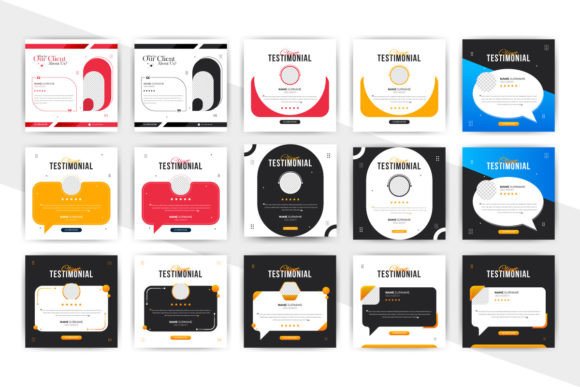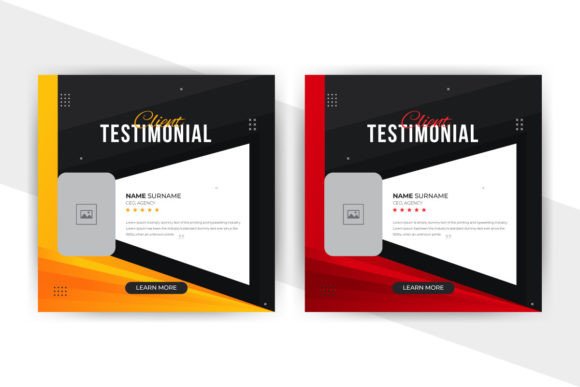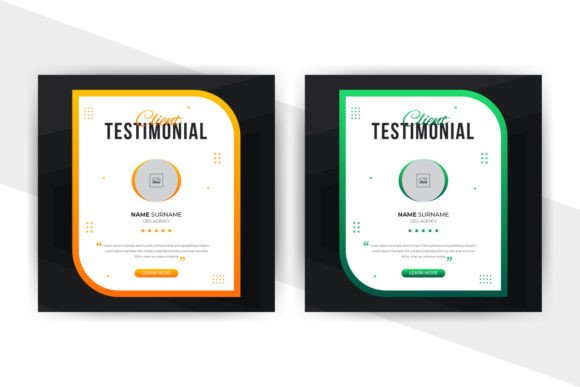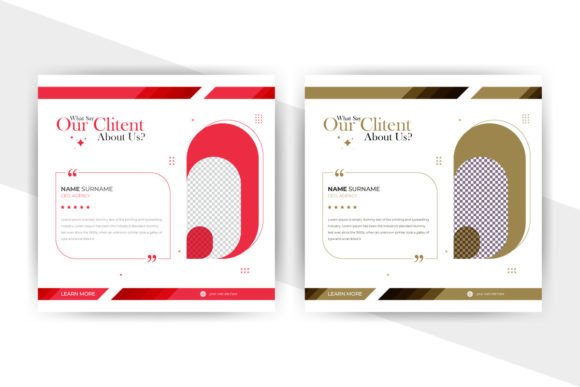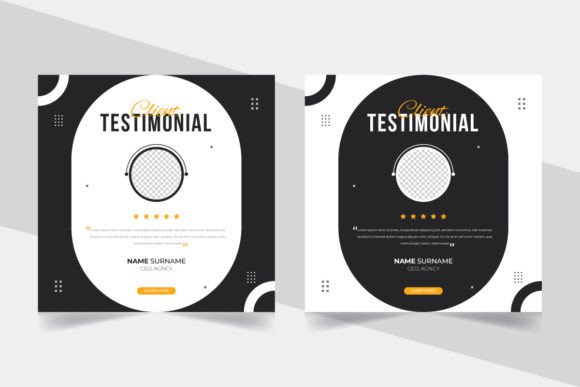
Creative Client Testimonial Social Media: Designing Trust in the Digital Age
In a landscape where every scroll, swipe, and tap competes for split-second attention, the voice of a satisfied customer has never carried more weight. Creative client testimonial social media has emerged as a cornerstone of modern brand communication—a practice that transforms ordinary feedback into compelling visual narratives. It is not merely about posting a quote on a branded background; it is about designing trust, credibility, and emotional connection in formats that audiences actually want to engage with.
For professionals, entrepreneurs, marketers, and creators alike, understanding how to craft and deploy these testimonials effectively can mean the difference between being scrolled past and being remembered. The shift toward authentic, user-generated proof points has been accelerated by changing consumer habits, platform algorithms that reward engagement, and a growing skepticism toward polished advertising. People trust other people more than they trust brands, and a well-designed testimonial social media post captures that human endorsement in a visually arresting way.
The Relevance of Creative Testimonial Design in Today’s Market
Every business, from solopreneurs to established agencies, relies on social proof to convert curious visitors into loyal clients. But simply copying a review into a text post no longer cuts through the noise. Audiences now expect a customer service feedback review or testimonial social media post or web banner to feel curated, intentional, and reflective of the brand’s visual identity. This is where thoughtful design becomes a strategic asset.
A testimonial that lives inside a well-structured template—with deliberate color variation, readable typography, and balanced composition—communicates professionalism even before the words are read. When a potential client sees that you have taken the time to present feedback beautifully, they infer that you treat your actual work with the same care. This is why creative client testimonial social media post design is no longer an afterthought; it is a core element of content strategy.
Why Color Variation Matters for Trust and Recognition
Color is one of the fastest ways to signal meaning and emotion. A color variation template allows you to adapt testimonials to different platforms, campaigns, or brand guidelines without starting from scratch each time. Whether you opt for a calm blue palette to evoke reliability or a warm orange gradient to suggest energy and approachability, the ability to toggle between color schemes keeps your content fresh while maintaining visual consistency.
For businesses that serve multiple industries or client types, color variation also enables subtle segmentation. A testimonial from a corporate client might use a restrained, neutral palette, while one from a creative partner could employ a bolder, more expressive range. The underlying message remains the same—real people achieving real results—but the presentation speaks directly to the viewer’s context.
The Evolution of Testimonial Content: From Text Blocks to Design Assets
Not long ago, client testimonials lived almost exclusively on dedicated pages of websites, buried under paragraphs of copy. They were functional but rarely beautiful. The rise of visual-first platforms like Instagram, Pinterest, and LinkedIn shifted expectations. Today, a testimonial must earn its place in a feed surrounded by professional photography, infographics, and video content. This evolution has made creative client testimonial social media not just a nice-to-have, but a requirement for visibility.
Audiences have grown accustomed to digesting information in bite-sized, visually rich formats. A static block of text, no matter how glowing, will struggle to compete. By contrast, a testimonial presented as a social media post or web banner at the standard 1200×800 pixel size feels native to the platforms where it appears. It respects the user’s scrolling rhythm while delivering impact at a glance.
The Role of Free Fonts and Editable Files in Modern Workflows
One of the most practical developments in testimonial design is the availability of templates that use free fonts and come as fully editable files. This democratizes professional design. A freelancer or small business owner does not need a dedicated graphic designer to produce polished testimonial posts. With access to Illustrator EPS files, anyone can open a template, replace the placeholder text with a real client quote, adjust colors to match their brand, and export a finished asset in minutes.
The RGB color mode is essential here, since digital screens display colors as combinations of red, green, and blue. Templates built in RGB ensure that what you see during editing is what your audience sees on their devices. No unexpected shifts in hue, no muddy contrasts. This technical detail, while invisible to the end viewer, is crucial for maintaining the integrity of your visual identity across monitors, phones, and tablets.
For creators and marketers who collaborate with clients, the ability to hand over a template that is professional and clean—with all objects, colors, and text fully editable—builds trust in the working relationship. It signals that you have anticipated the need for flexibility and that you value the client’s ability to iterate.
Practical Implications for Professionals and Businesses
When you incorporate creative client testimonial social media post design into your regular content rotation, you accomplish several practical goals simultaneously. First, you create a library of reusable assets that can be repurposed across platforms. A single testimonial designed as a web banner can also be cropped for a square Instagram post, adapted for a LinkedIn update, or included in an email newsletter. This efficiency is invaluable for small teams and busy professionals.
Second, you signal to both current and prospective clients that their feedback is valued enough to be showcased prominently. There is a psychological reciprocity at play: when a client sees their words treated with design respect, they feel more connected to your brand and more likely to refer others. The testimonial becomes not just a marketing tool, but a relationship strengthener.
Third, the consistency of using a template system with color variation and editable components reduces decision fatigue. Instead of reinventing the layout for every new quote, you focus on the content and the emotional resonance of the message. The design framework supports the story rather than competing with it.
Realistic Examples of Testimonial Use in Different Contexts
Consider a marketing consultant who helps e-commerce brands improve conversion rates. One client, a boutique skincare company, reports a 40% increase in newsletter signups after implementing the consultant’s recommendation. Rather than burying this result in a case study, the consultant creates a testimonial post: a clean layout with the client’s headshot, a short pull quote, and a subtle color palette drawn from the skincare brand’s own packaging. The post performs well on LinkedIn, generates comments from other business owners, and leads to three new inquiries within the week.
In another scenario, a freelance web designer receives a heartfelt video testimonial from a client. Instead of transcribing the entire message, the designer extracts two powerful sentences and pairs them with a creative client testimonial social media template that uses a dark background and a single accent color. The post is shared across Instagram and Facebook, and the designer notices an uptick in direct messages asking about availability. The testimonial works not because it is long, but because it is focused and visually arresting.
A third example involves a SaaS company that gathers customer feedback through regular NPS surveys. They turn their highest-scoring responses into a rotating series of customer service feedback review or testimonial social media posts, each with a unique color variation to keep the feed dynamic. Over time, these posts become some of their most-shared content, because real users see themselves reflected in the experiences of others.
Why Fully Editable Files Matter for Long-Term Content Strategy
Templates that exist as fully editable files included with the product are more than a convenience; they are a strategic asset. When you purchase or download an Illustrator EPS file that contains all objects, colors, and text as editable layers, you future-proof your content. Brand guidelines evolve. New products launch. Seasonal campaigns demand fresh looks. With editable source files, you are never locked into a single aesthetic.
For agencies and in-house teams, this flexibility streamlines workflow. A designer can open the EPS file, adjust the color palette to match a new campaign, swap out the font if the brand has updated its typography, and export the revised version without rebuilding the layout. The time saved accumulates quickly, allowing teams to focus on strategy and messaging rather than repetitive production tasks.
For entrepreneurs and hobbyists who may not have advanced design skills, the same files provide a learning opportunity. By exploring how the layers are organized, which effects are applied, and how text wraps around imagery, they build intuition for design principles that they can apply to other projects. The template becomes both a tool and a teacher.
Modern Workflows and the Demand for Professional, Clean Files
As remote collaboration and distributed teams become more common, the need for files that are professional and clean has intensified. When a template arrives with properly named layers, grouped objects, and non-destructive effects, it communicates respect for the person who will eventually edit it. It reduces friction and eliminates the frustration of hunting for a hidden element or untangling a messy layer stack.
Clean files also make it easier to hand off work between team members or to external partners. A social media manager can request a testimonial template from the design department and receive a file that is ready to populate with content. No back-and-forth about missing fonts or broken links. No time wasted troubleshooting formatting issues. The entire process becomes smoother, which is especially important for time-sensitive content like a timely review or a seasonal promotion.
Looking Ahead: Sustainable Practices for Testimonial Design
Rather than chasing every new design trend, the most effective approach to creative client testimonial social media is rooted in sustainability. Build a system that you can maintain over months and years. Invest in templates that allow for color variation so your content stays fresh without requiring a complete redesign every quarter. Choose free fonts that are widely available and web-safe, ensuring that your files remain accessible to anyone who needs to edit them.
Pay attention to the 1200×800 pixel format not as a rigid constraint, but as a versatile canvas. This size works well for blog headers, social media banners, presentation slides, and even print materials at smaller scales. It gives you room to include a headshot, a logo, a compelling quote, and a call-to-action without feeling cramped.
Most importantly, let the client’s voice remain central. The most sophisticated design in the world cannot compensate for a hollow or unearned testimonial. Seek feedback that is specific, results-oriented, and emotionally genuine. Then use your design skills to amplify that authenticity, not overshadow it.
For anyone who creates content—whether you are a seasoned marketer, a freelancer building a portfolio, or a business owner managing your own social presence—the ability to turn client praise into a designed asset is a skill worth cultivating. It bridges the gap between what people say about you and how people perceive you. And in an attention economy where trust is the most valuable currency, creative client testimonial social media remains one of the most effective ways to earn it.