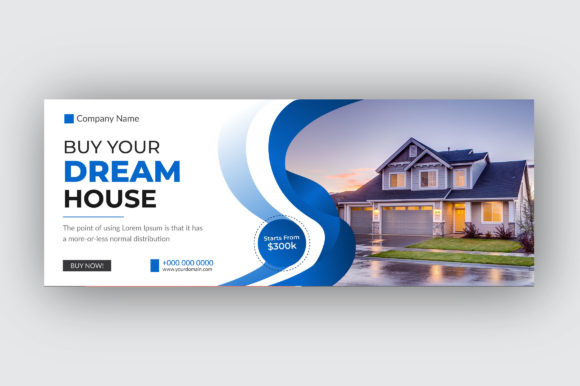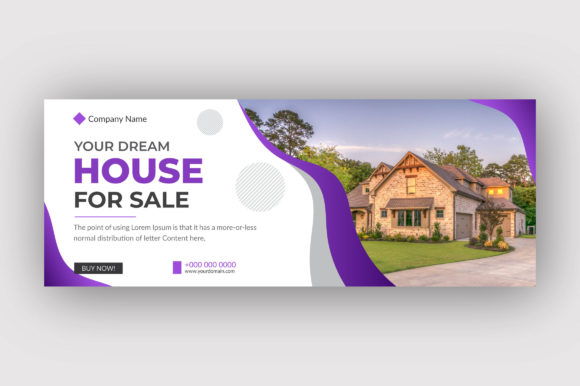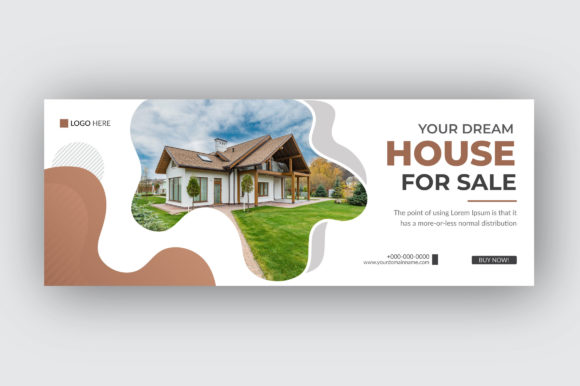
Real Estate Facebook Cover Template: A Strategic Asset for Brand Positioning and Audience Engagement
In the competitive field of real estate, first impressions often begin online. Your social media presence, particularly on platforms like Facebook, serves as a digital storefront where potential clients form their initial opinion of your professionalism and market expertise. A Real Estate Facebook Cover Template is not merely a decorative element for your page. It is a deliberate communication tool that reinforces your brand identity, conveys market authority, and supports your broader business objectives when used thoughtfully.
This article explores what a Real Estate Facebook Cover Template is, why it matters strategically, and how you can use it to strengthen your positioning, streamline your operations, and achieve better long-term outcomes. Whether you are a seasoned agent, a brokerage owner, or a marketer supporting real estate professionals, understanding the strategic application of this resource can make a tangible difference in how your audience perceives and engages with your brand.
Understanding the Real Estate Facebook Cover Template as a Strategic Resource
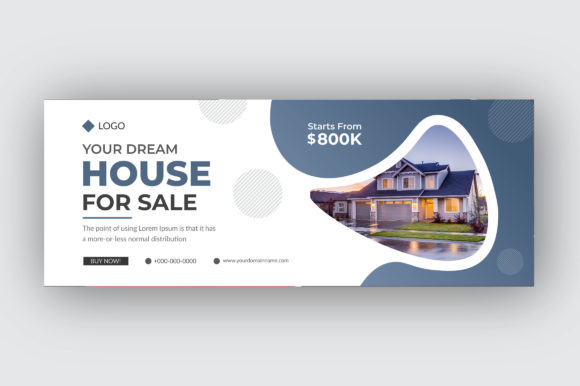
A Real Estate Facebook Cover Template is a pre-designed layout tailored specifically for the Facebook cover image space, typically in the 820 by 312 pixel dimension. This particular template operates at 150 DPI resolution, uses RGB color mode, and comes with editable vector files in AI, SVG, and EPS formats. It also uses a free font, which simplifies licensing considerations. The design is built around real estate themes, allowing you to showcase property imagery, your professional branding, contact information, or current listings in a visually cohesive way.
What makes this template strategically useful is not the design alone, but the consistency and efficiency it brings. A well-executed cover image signals to visitors that you operate with attention to detail and that you understand the visual language of your industry. For entrepreneurs and small business owners in real estate, this kind of asset reduces the friction of creating professional graphics from scratch, allowing you to maintain a polished presence without diverting excessive time from core business activities.
The template's vector-based structure means that every main element remains editable and customizable. This is critical because your marketing needs evolve. A cover that works for a spring open house campaign may not suit a winter market update. The ability to adjust colors, text, imagery, and layout elements ensures that your Facebook presence remains aligned with your current messaging and strategic priorities.
Aligning Visual Assets with Business Goals and Positioning
Every piece of communication you put in front of your audience should serve a purpose. A Real Estate Facebook Cover Template is no different. When approached with clear intent, it becomes a tool for positioning your brand exactly where you want it in the minds of your potential clients. Are you emphasizing luxury listings? Community expertise? First-time buyer guidance? The cover image can reinforce that focus every time someone visits your page.
For example, if your goal is to build trust with local homeowners considering a sale, the cover might feature neighborhood imagery along with a subtle call to action like "Local Market Insights" or "Your Trusted Neighborhood Agent." If you are targeting investors, the design could lean toward data-driven visuals or highlight recent transaction volumes. The template gives you the structural foundation to make these shifts quickly without needing a graphic designer on retainer.
This alignment between visual assets and business goals also supports long-term brand building. Consistency in color schemes, typography, and imagery across your Facebook cover, website, and other marketing materials creates a sense of reliability. Over time, that consistency becomes part of how clients remember and recommend you. A template that you can adapt across campaigns helps maintain that thread of continuity.
Where the Real Estate Facebook Cover Template Fits in Your Planning Process
Integrating a cover template into your broader marketing plan requires thinking beyond the one-time setup. The most effective use comes from considering your quarterly or seasonal objectives. For instance, if you plan a push for spring listings, prepare a cover that reflects that seasonality and aligns with your content calendar. If you are launching a new community development, the cover can serve as a visual anchor that ties together your posts, ads, and email campaigns.
Planning also involves considering the different segments of your audience. A single cover may not speak equally to sellers, buyers, renters, and investors. Some real estate professionals rotate covers based on their current focus or run A-B tests to see which imagery or messaging generates more page visits or inquiries. The template's editable nature supports this iterative approach. You are not locked into a single version. You can evolve your cover as your strategy evolves.
Before relying on the template, consider what specific action you want visitors to take after seeing your cover. Should they contact you for a consultation? Sign up for a market report? Browse current listings? The cover can include a subtle visual cue or text that directs attention toward that next step. Without this clarity, the cover remains decorative rather than functional. With clear intent, it becomes a strategic asset that supports your sales and marketing funnel.
Practical Use Cases for Entrepreneurs, Marketers, and Real Estate Professionals
The versatility of a Real Estate Facebook Cover Template makes it useful across a range of scenarios. Here are several practical ways to apply it intentionally:
- Brand launch or refresh: When you open a new office or rebrand an existing one, the cover template provides a fast way to establish visual consistency across your social presence.
- Campaign-specific promotion: Whether you are running an open house series, a referral incentive program, or a new listing announcement, a tailored cover reinforces the campaign theme.
- Seasonal market updates: Use the cover to signal quarterly market trends or seasonal insights, positioning yourself as a knowledgeable resource who stays current.
- Community involvement: Showcase local events, sponsorships, or partnerships through the cover to demonstrate that you are invested in the community beyond transactions.
- Personal branding: For individual agents, the cover can highlight your unique value proposition, areas of specialization, or recent accolades without needing a full website overhaul.
Each of these use cases benefits from the template's editable vector files. You can adjust the design to match the tone of each campaign while maintaining your core brand identity. This balance between consistency and flexibility is difficult to achieve when starting from scratch each time. The template removes that friction.
Key Considerations Before Using the Template
While a Real Estate Facebook Cover Template offers clear advantages, its effectiveness depends on how you approach it. One common risk is using the template without adapting it to your specific context. A generic cover that could belong to any agent does little to differentiate you. Invest time in customizing the imagery, colors, and messaging to reflect what makes your service distinct. The template is a starting point, not a finished product.
Another consideration is resolution and display. The 820 by 312 pixel dimension is designed for Facebook's desktop cover space, but mobile and tablet views crop the image differently. Test your design across devices to ensure your key elements remain visible and legible. The 150 DPI resolution is appropriate for digital use, but if you plan to repurpose the design for print materials, you may need higher resolution versions.
Also, reflect on the longevity of the template. Trends in real estate marketing evolve, and a design that feels modern today may appear dated in a few years. Plan to refresh your cover periodically, not just when you launch a campaign, but as part of a regular schedule of brand maintenance. This keeps your page looking current and attentive.
Finally, consider the governance of your brand assets. If you work within a brokerage or team, ensure that the template aligns with any brand guidelines or approval processes. The freedom to customize is valuable, but it should not come at the cost of consistency across the larger organization.
Decision-Making Guidance for Long-Term Value
Using a Real Estate Facebook Cover Template strategically means making intentional choices about when to invest time in customization versus when to rely on the default design. For a quick campaign launch, minor adjustments may suffice. For a major brand initiative, a more thorough customization effort is warranted. Assess the context and allocate your creative energy accordingly.
One practical approach is to create a library of cover variations based on the same template structure. This allows you to rotate covers in response to market conditions or business priorities without starting from zero each time. For example, maintain a baseline brand cover, a listings-focused cover, a community events cover, and a seasonal cover. Swap them out as your focus shifts. This system supports productivity by reducing repetitive design work and supports strategic consistency across your page.
Another decision-making layer involves tracking performance. While Facebook does not offer direct analytics on cover image click-through rates, you can monitor page engagement patterns, new followers, and message inquiries around the time you change your cover. Over time, you may notice correlations that inform future design choices. Treat your cover as a testable element rather than a static banner.
Risks of Using the Template Without Strategic Intent
Without clear goals, a Real Estate Facebook Cover Template can become yet another unused file on your computer, or worse, a source of visual noise that does not reinforce your brand. If you upload a cover without considering how it connects to your overall messaging, you risk looking generic or out of alignment with what your audience sees in your posts and ads.
Another risk is neglecting to update the cover. A stale cover that references an expired promotion or outdated market data can erode trust. Visitors may question whether you are actively engaged in the business. Setting a calendar reminder to review your cover monthly or quarterly is a simple but effective safeguard.
There is also the risk of over-customization without maintaining brand coherence. If you change colors and fonts too dramatically between iterations, you lose the recognition that consistency builds. The template is most valuable when it serves as a consistent frame that you can fill with fresh content, not when it is reinvented every time.
Practical Steps for Intentional Use
To use a Real Estate Facebook Cover Template with purpose, start by clarifying your primary objective for the next three months. Write it down. Then review the template design and ask yourself whether it supports that objective directly. If not, identify which elements need to change. Next, gather your own imagery or choose from stock options that reinforce your local market knowledge or service focus. Customize the text to communicate your core message succinctly.
After you publish the cover, observe how it integrates with your recent posts and overall page content. Does the cover and your latest updates tell a consistent story? If you notice a mismatch, adjust either the cover or your content plan. The goal is a cohesive visitor experience where every visual element reinforces the same impression.
Finally, schedule a review date. On that date, evaluate whether the cover still aligns with your business priorities and make changes if needed. This simple cycle of setting intent, customizing, publishing, and reviewing transforms a static template into a dynamic part of your marketing operations.
Building Long-Term Results Through Thoughtful Design
A Real Estate Facebook Cover Template is not a shortcut to success. It is a resource that, when used intentionally, supports your ability to communicate professionally, maintain brand consistency, and adapt quickly to changing market conditions. For entrepreneurs, marketers, and real estate professionals who value both creativity and efficiency, it offers a practical solution to a recurring need.
The real value comes not from the template itself, but from how you apply it within your larger strategy. By aligning your cover design with your goals, planning for regular updates, and making deliberate customization choices, you turn a simple graphic asset into a tool that supports your brand positioning, audience engagement, and long-term growth. That is the difference between using a template and using it wisely.