Ramadan Kareem Greeting Card Vector: Elevating Islamic Design for Modern Creative Workflows
As the holy month of Ramadan approaches, the demand for visually compelling and culturally resonant design assets surges across digital and print media. Among the most sought-after resources is the Ramadan Kareem Greeting Card Vector, a versatile design tool that blends traditional Islamic aesthetics with modern vector technology. This article explores the relevance, evolution, and practical applications of this design asset, offering insights for creators, marketers, and business owners who seek to produce meaningful and professional Ramadan-themed content.
Understanding the Ramadan Kareem Greeting Card Vector
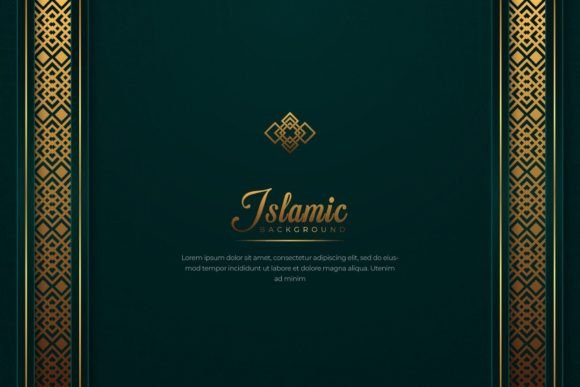
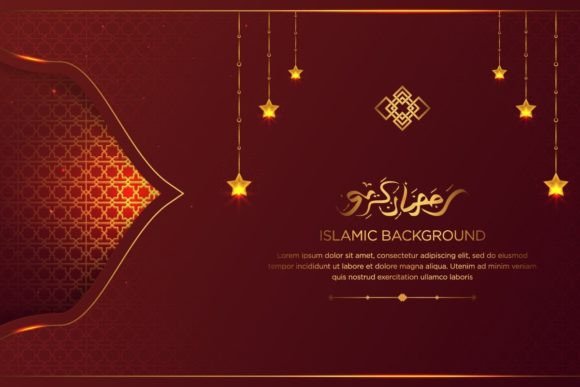
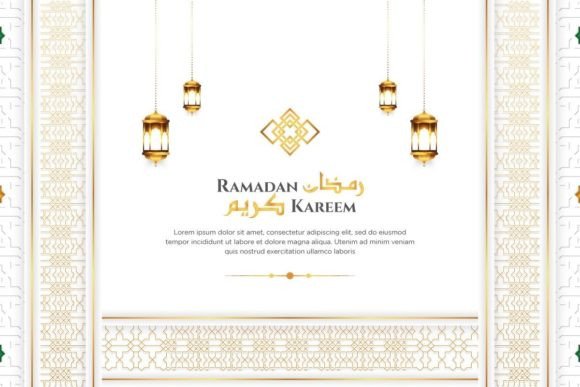
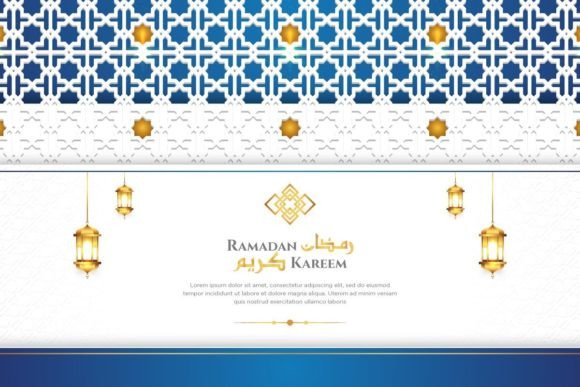
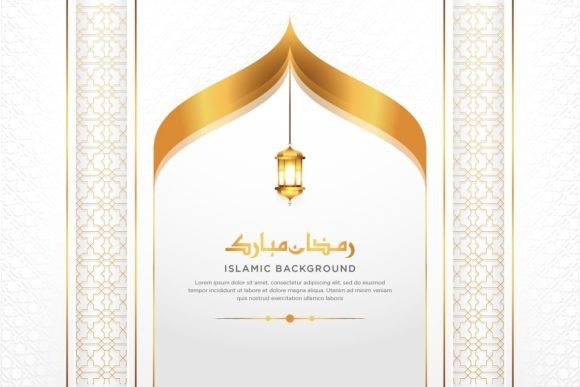
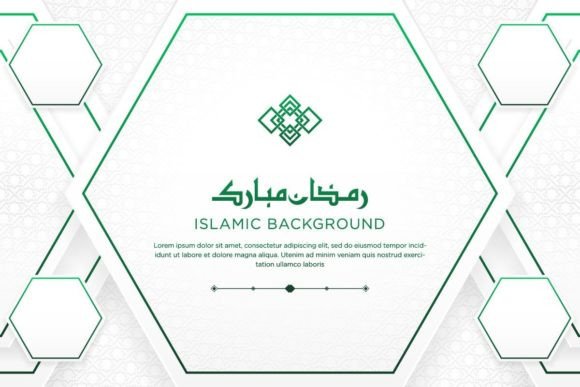
At its core, a Ramadan Kareem Greeting Card Vector is a digitally crafted illustration file that combines elegant abstract patterns, Islamic ornamental borders, and Arabic calligraphy in a ready-to-use format. The specific asset in focus features a refined white and green palette, with intricate Islamic border designs and a unique stylistic approach that honors traditional geometric and floral motifs. The inclusion of an Arabic "Ramadan Kareem" greeting makes it immediately recognizable and culturally appropriate for the occasion.
What sets this vector apart is its professional-grade structure. Designed in RGB color mode at 1200 by 800 pixels, it is optimized for both screen-based applications and print outputs. The use of free fonts and fully editable Illustrator EPS files means that users can customize every element—objects, colors, and text—without compromising quality. This level of flexibility is critical for professionals who need to adapt designs for multiple formats, from social media banners to flyers and wallpapers.
Why This Design Asset Matters Now
The relevance of the Ramadan Kareem Greeting Card Vector extends beyond mere decoration. In recent years, the way people observe and share Ramadan greetings has shifted dramatically. Digital communication now dominates, and individuals as well as brands are seeking authentic, high-quality visuals that convey respect and cultural understanding. Generic stock images no longer suffice. Audiences expect designs that reflect the depth of Islamic art traditions while remaining practical for modern use.
Current trends in graphic design emphasize cultural specificity and personalization. The white and green color scheme, for instance, is deeply symbolic in Islamic contexts—white representing purity and peace, green associated with paradise and life. By incorporating these colors alongside ornamental borders and Arabic text, this vector immediately communicates a sense of reverence and celebration. For businesses targeting Muslim consumers or creating content for Ramadan marketing campaigns, such assets are invaluable.
Moreover, the shift toward remote work and digital entrepreneurship has increased the need for accessible, editable design files. Freelancers, small business owners, and content creators often lack the time or budget to commission custom illustrations. A fully editable vector file bridges this gap, enabling non-designers to produce professional-looking materials with minimal effort.
Evolution of Islamic Design Assets in Digital Media
The journey of Islamic ornamental design into the digital realm is a fascinating one. Traditional Islamic art, with its emphasis on geometric patterns, arabesques, and calligraphy, was historically rendered by hand on manuscripts, textiles, and architecture. Translating these intricate motifs into vector format requires both technical skill and cultural sensitivity. Early digital versions often lacked the fluidity and detail of their handcrafted counterparts, but advancements in vector editing software have changed that.
Today's Ramadan Kareem Greeting Card Vector represents a mature stage in this evolution. The patterns are precise, scalable to any size without losing resolution, and organized in layers that allow for selective editing. The inclusion of ornamental borders that mimic traditional Islamic frames is particularly noteworthy, as these borders are a hallmark of classical Islamic design and are now available for instant use in digital workflows.
People are paying more attention to these assets because of the growing demand for inclusive and representative design. As global audiences become more diverse, marketers and creators recognize the importance of visuals that authentically reflect different cultures. The vector's unique style—balancing abstract elegance with recognizable Islamic motifs—makes it suitable not only for greeting cards but also for wallpapers, event backdrops, banners, and flyers.
For Graphic Designers and Freelancers
Having a fully editable Ramadan Kareem Greeting Card Vector in your toolkit streamlines project turnaround times. Instead of building ornamental patterns from scratch, you can leverage the existing artwork and adjust colors, typography, and layout to meet client specifications. The Illustrator EPS format is industry standard, ensuring compatibility with professional workflows. You can also export the design in various resolutions for different use cases, from Instagram posts to large-format banners.
One practical recommendation is to experiment with the white and green palette by introducing subtle gradients or metallic accents. The vector's clean file structure allows for such modifications without corrupting the original artwork. For freelancers handling multiple Ramadan projects during the busy season, this efficiency is a significant advantage.
For Small Business Owners and Entrepreneurs
If you run a business that serves Muslim communities, using a culturally appropriate greeting card vector can enhance your brand's trustworthiness. Whether you are sending electronic greetings to customers, creating promotional flyers for Ramadan sales, or designing social media posts, the vector provides a consistent visual identity. The 1200 by 800 pixel size is ideal for Facebook and Instagram covers, while the RGB color mode ensures accurate on-screen representation.
Small business owners can also use the vector for printed materials such as in-store signage, table tents, or packaging inserts. Because the file is fully editable, you can incorporate your logo, adjust the greeting to include your business name, or change the background pattern to match your brand colors. This level of customization helps differentiate your business while respecting the cultural significance of the design.
For Marketers and Content Creators
In the competitive landscape of Ramadan marketing, standing out requires visuals that are both beautiful and functional. The Ramadan Kareem Greeting Card Vector offers a foundation for creating a series of cohesive assets—think a banner for your website, a cover image for a Ramadan guide, and a series of social media posts. The ornamental background works well as a subtle texture behind text, while the border can frame important announcements.
Content creators who publish Ramadan-themed videos or podcasts can use the vector as a thumbnail background or lower-third graphic. Because the file is vector-based, you can extract individual elements, such as a single border motif or a calligraphic detail, and incorporate them into motion graphics. This versatility makes the asset a smart investment for anyone producing seasonal content.
Realistic Examples of Use Cases
Consider a local halal restaurant preparing for Ramadan. They might use the Ramadan Kareem Greeting Card Vector to design a flyer announcing iftar specials. By editing the text to include their menu highlights and changing the background color to match their brand, they create a professional advertisement that resonates with their community. The same file can be adapted for an email newsletter header and a social media post, ensuring visual consistency across channels.
Another example is a freelance graphic designer who receives a last-minute request for a Ramadan webinar backdrop. Using the vector, they can scale the ornamental pattern to fit a wide-screen format, add the webinar title in a complementary font, and deliver the file within hours. The client receives a polished design that reflects Islamic artistry without requiring a lengthy design process.
A non-profit organization running a Ramadan charity campaign can use the vector for donation flyers and thank-you cards. The elegant design conveys sincerity and respect, which is crucial for building donor trust. The editable format allows them to include their logo, campaign details, and a personalized message, all while maintaining a cohesive aesthetic.
Technical Advantages of the Vector Format
The Ramadan Kareem Greeting Card Vector comes in Illustrator EPS files, which are known for their scalability and editability. Unlike raster images that pixelate when enlarged, vector graphics remain crisp at any size. This is particularly important for print applications where sharpness is non-negotiable. The RGB color mode is suitable for digital screens but can be converted to CMYK for print with minimal adjustment.
The fact that all objects, colors, and text are editable means that users are not locked into a predefined design. You can rearrange elements, replace the Arabic greeting with a different phrase, or isolate the border for use in another project. The free font included ensures that typography remains consistent and high-quality, even if you do not own expensive typefaces.
For users who are not proficient in Adobe Illustrator, the organized layer structure makes navigation intuitive. Each component—background, border, calligraphy, decorative elements—sits on its own layer, allowing you to toggle visibility or make targeted edits. This ease of use democratizes design access, empowering people with basic software skills to produce professional results.
Adapting to Modern User Expectations
Today's audience expects speed, quality, and cultural authenticity in equal measure. The Ramadan Kareem Greeting Card Vector addresses all three. Its ready-to-use format saves time, its professional file structure ensures quality, and its Islamic ornamental style provides authenticity. For businesses and creators operating in multicultural markets, having such an asset on hand is no longer a luxury but a necessity.
The trend toward personalized and localized content further amplifies the value of editable vectors. Instead of sending generic greetings, brands can customize the vector to reflect their unique voice. A tech company might add a modern, minimal twist by simplifying the border, while a heritage brand might emphasize the intricate patterns. The flexibility of the vector accommodates both approaches.
Moreover, the growing emphasis on visual storytelling in marketing means that backgrounds, borders, and patterns are not mere decoration—they are narrative tools. The elegant abstract design of this vector evokes a sense of calm and reverence, setting the emotional tone for the message it carries. When used consistently across a campaign, it reinforces brand recall and audience connection.
Recommendations for Getting the Most Out of This Asset
To maximize the utility of the Ramadan Kareem Greeting Card Vector, consider the following practical tips. First, before editing, duplicate the original file so you always have a clean backup. Second, experiment with color variations while staying within culturally appropriate palettes. Deep greens, golds, and creams can complement the existing white and green scheme for different applications. Third, use the border element as a standalone graphic for framing quotes, event details, or product images.
If you are using the vector for print, convert the file to CMYK and check the color output on a proof before mass production. For digital use, keep the RGB mode and optimize the file size by simplifying complex patterns if needed, though the original resolution is already well-suited for most online platforms. Finally, combine the vector with other design resources such as Islamic pattern brushes or calligraphy fonts to expand your creative possibilities without straying from the cultural context.
Looking Ahead: The Role of Vectors in Cultural Design
As global design continues to embrace diversity and inclusion, assets like the Ramadan Kareem Greeting Card Vector will become increasingly important. They enable creators from all backgrounds to produce culturally competent work without appropriating or misrepresenting traditions. The vector's editable nature also supports ongoing education—designers can study the motifs, understand their origins, and learn how to adapt them respectfully.
In the coming years, we can expect further integration of such vectors into digital platforms, from social media templates to e-card services. The demand for instant, customizable, and beautiful design will only grow, and those who invest in quality vector assets now will be well-prepared to meet that demand. The combination of traditional Islamic artistry with modern vector technology is not just a trend; it is a sustainable approach to creative production that honors heritage while embracing innovation.
Whether you are a seasoned designer, a business owner preparing for Ramadan campaigns, or a content creator seeking authentic visuals, the Ramadan Kareem Greeting Card Vector offers a reliable and elegant foundation. Its thoughtful design, technical robustness, and cultural resonance make it a valuable addition to any digital library. By understanding its features and applying them strategically, you can create greeting materials that are not only visually striking but also deeply meaningful for those who receive them.