The Art of Islamic Arabic Ramadan Kareem Design: Tradition, Elegance, and Modern Application
Every year, as the crescent moon signals the beginning of Ramadan, millions of Muslims around the world prepare for a month of reflection, fasting, and community. Central to the visual identity of this sacred season is the rich tradition of Islamic Arabic design — from intricate geometric patterns to flowing calligraphy that spells out "Ramadan Kareem." These designs are far more than decorative elements; they are a bridge between faith, culture, and modern visual communication. Whether you are a graphic designer, a business owner preparing seasonal marketing materials, or simply someone who appreciates the beauty of Islamic art, understanding the purpose and significance of these ornamental backgrounds can deepen your appreciation and help you use them more effectively.
This article explores the world of Islamic Arabic Ramadan Kareem design — from its historical roots to its contemporary applications in wallpaper, banners, flyers, and digital media. We will break down the key visual elements, explain the symbolism behind colors like red and gold, and offer practical guidance for using editable design files in professional projects.
What Is Islamic Arabic Ramadan Kareem Design?
Islamic Arabic Ramadan Kareem design refers to a style of visual art that combines traditional Islamic motifs — such as arabesques, geometric patterns, and calligraphy — with themes specific to the holy month of Ramadan. The phrase "Ramadan Kareem" (which means "Generous Ramadan") is often written in elegant Arabic calligraphy and surrounded by ornamental borders, hanging stars, and floral or geometric repeats. These designs are created to evoke a sense of reverence, celebration, and luxury, making them popular for both religious and commercial purposes.
The style draws heavily from centuries-old Islamic artistic traditions, but modern designers adapt it for digital formats, print media, and branding. The result is a visual language that feels both timeless and contemporary — a perfect fit for the global Muslim community and anyone who admires the artistry of the Islamic world.
The Cultural and Spiritual Significance of Ramadan Design
In Islamic culture, art has always been a way to express devotion and beauty without depicting human or divine figures. Instead, patterns, calligraphy, and geometry take center stage. During Ramadan, these designs take on additional meaning:
- Calligraphy — The written word of the Quran and phrases like "Ramadan Kareem" are treated with utmost respect. Beautiful calligraphy is considered a form of worship and a way to honor the divine message.
- Geometric patterns — Repeated geometric shapes symbolize the infinite nature of Allah and the order of the universe. They remind viewers of the harmony and balance at the heart of Islamic teaching.
- Ornamental borders — Intricate frames and borders suggest the idea of protection and sacred space, much like the physical boundaries of a mosque or prayer area.
- Hanging stars and lanterns — Stars are a common motif in Islamic art, representing divine light and guidance. During Ramadan, they also evoke the night sky and the sighting of the crescent moon.
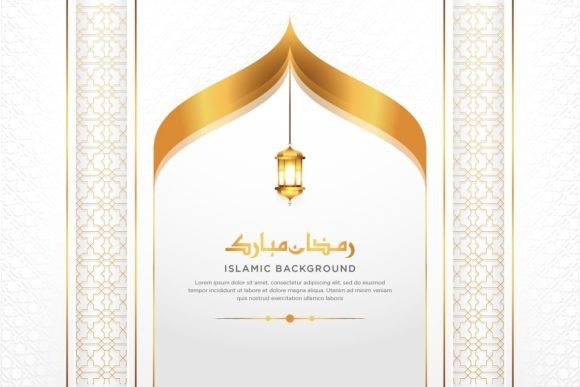
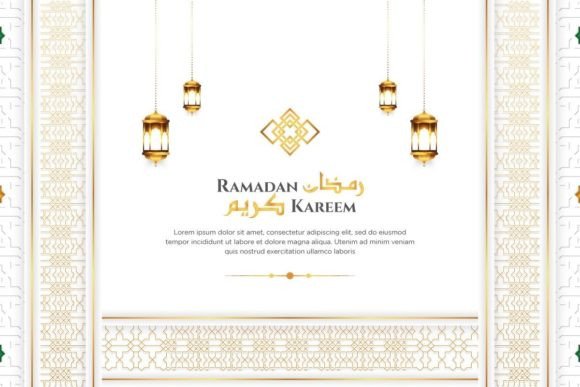
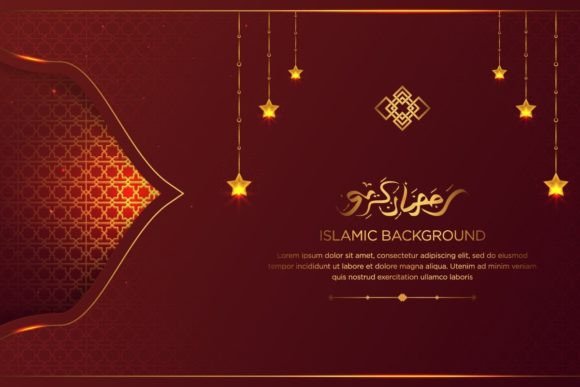
When you see an elegant red and golden luxury Islamic ornamental background with hanging stars and Arabic calligraphy, you are witnessing a visual tradition that has evolved over more than a thousand years. It connects the viewer to a global community of faith and creativity.
Key Visual Elements of an Elegant Ramadan Design
To truly understand and use these designs, it helps to recognize the individual components that make them so distinctive. A typical Islamic Arabic Ramadan Kareem Elegant Red and Golden Luxury background includes the following elements:
1. Arabic Calligraphy
Calligraphy is the soul of Islamic design. In a Ramadan context, you will commonly find the phrases "Ramadan Kareem" or "Ramadan Mubarak" rendered in flowing scripts such as Diwani, Thuluth, or Naskh. The letters are often elongated and interlaced, creating a visual rhythm that draws the eye. In premium designs, the calligraphy is rendered in gold or a metallic hue, adding a sense of luxury and reverence.
2. Ornamental Borders and Frames
Borders in Islamic design are rarely simple lines. They are composed of repeating geometric motifs, arabesques (floral or vine-like patterns), and interlacing shapes. These borders serve both a decorative and a structural purpose — they frame the central message and guide the viewer's focus. In Ramadan backgrounds, borders often mimic the intricate tile work found in historic mosques.
3. Hanging Stars and Decorative Ornaments
Stars are a powerful symbol in Islamic art. They represent divine light, guidance, and the celestial order. In Ramadan designs, stars are often shown as hanging ornaments, sometimes with a lantern or crescent moon. They add a festive, celebratory feel while maintaining spiritual depth. The use of gold stars against a deep red background is especially striking.
4. Color Palette: Red and Gold
The combination of red and gold is one of the most popular in luxury Islamic design. Red symbolizes warmth, passion, and the vitality of faith. Gold represents purity, wealth, and the divine light. Together, they create a visual experience that is both regal and welcoming. This palette is especially effective for Ramadan, as it evokes the richness of the holy month — generosity, devotion, and celebration.
5. Arabic Patterns and Geometric Repeats
Backgrounds often feature repeating geometric patterns, such as stars, diamonds, or octagons, arranged in a seamless tile. These patterns are rooted in Islamic mathematics and art history, and they give the design a sense of unity and infinity. In modern design files, these patterns are fully editable, allowing you to change colors, scale, or orientation as needed.
Modern Applications: Where and How These Designs Are Used
Thanks to digital design tools and editable file formats like Adobe Illustrator EPS, these elegant backgrounds are now accessible to a wide audience. Here are some of the most common and effective uses:
- Wallpaper and Backgrounds — Whether for a website, a mobile app, or a desktop wallpaper, a Ramadan Kareem background sets the tone instantly. The 1200×800 pixel size is ideal for social media covers, blog headers, and digital presentations.
- Banners and Flyers — Mosques, community centers, and businesses use these designs for event announcements, iftar invitations, and promotional materials. The editable text fields make it easy to add dates, locations, and custom messages.
- Social Media Graphics — During Ramadan, brands and influencers refresh their profiles with themed visuals. A red and gold ornamental background with Arabic calligraphy stands out in feeds and stories.
- Print Media — From greeting cards to posters and gift wraps, these designs translate beautifully to print. The RGB color mode ensures vibrant colors on screens, but files can be converted to CMYK for professional printing.
- Product Packaging and Branding — Companies that release Ramadan-specific products — such as dates, perfumes, or gift sets — often use these ornamental patterns on packaging to convey quality and cultural authenticity.
Technical Considerations: Working with Editable Design Files
For designers and marketers, one of the greatest advantages of modern Ramadan design assets is their editability. A typical professional file package includes Illustrator EPS files with all objects, colors, and text fully editable. Here is what you need to know:
- RGB Color Mode — These files are created in RGB mode, which is ideal for digital screens (websites, social media, presentations). If you need to print, you can convert the file to CMYK with minimal effort.
- Free Fonts — High-quality designs often use free fonts for the calligraphy and supporting text. This means you do not need to purchase expensive typefaces to achieve an authentic look.
- Editable Objects and Layers — Everything in the file — from the stars to the borders to the background pattern — is on separate layers. You can change colors, resize elements, remove or add ornaments, and reposition calligraphy without damaging the overall composition.
- 1200×800 Pixel Canvas — This size is a standard for web banners and social media covers. It provides enough resolution for clear display while keeping file sizes manageable.
- Professional and Clean Files — Well-organized layers, proper naming, and non-destructive editing practices make these files suitable for both beginners and experienced designers.
Pro tip: When editing a Ramadan design file, start by adjusting the color palette to match your brand or event theme. Then replace the placeholder text with your own message. Finally, scale or reposition the ornamental elements to achieve the perfect balance.
Clarifying Common Misunderstandings
As with any specialized design style, there are a few myths worth addressing:
- "Islamic design is only for religious purposes." While it has deep spiritual roots, Islamic ornamental design is also a versatile aesthetic used in fashion, interior design, luxury branding, and event decor. You do not need to be Muslim to appreciate or use it respectfully.
- "Red and gold is the only appropriate palette." Although this combination is classic, Islamic art includes a vast spectrum of colors — blue, green, turquoise, and white are also common. Red and gold, however, are especially associated with celebration and luxury during Ramadan.
- "EPS files are difficult to edit." With basic knowledge of Adobe Illustrator, editing these files is straightforward. Many packages also include PDF previews and support documentation to help you get started.
- "You need to know Arabic to use the calligraphy." Not at all. The calligraphy is often provided as text or vector outlines. You can leave it as is, or if you need to edit it, you can work with the provided font or consult a translator for the correct phrase.
How to Choose the Right Ramadan Design for Your Project
With so many options available, selecting the perfect background can feel overwhelming. Here is a simple guide:
- Identify the purpose — Is this for a digital banner, a printed flyer, or a social media post? The dimensions and resolution will matter.
- Consider your audience — A luxurious red and gold design may be perfect for an iftar invitation, while a simpler pattern with green might suit a community educational event.
- Check editability — Ensure the file format matches your software (EPS for Illustrator, PSD for Photoshop, etc.). Confirm that text and colors are editable.
- Look for clean organization — Well-layered files save hours of work. Open the file and check that objects are named and grouped logically.
- Test the color mode — If your final output is digital, RGB is ideal. If printing, convert to CMYK and do a test print to ensure the gold tones reproduce well.
The Future of Islamic Design in a Digital World
As more designers and brands embrace cultural diversity, Islamic Arabic design is finding new expressions. We are seeing it in app interfaces, motion graphics, virtual event backgrounds, and even NFT art. The core principles — geometric harmony, calligraphic beauty, and ornamental richness — remain the same, but the tools and platforms are evolving. Editable vector files make it possible for anyone, regardless of their artistic training, to create professional-quality Ramadan visuals.
For the global Muslim community, this accessibility is a gift. It means that Ramadan greetings, event promotions, and educational materials can be produced quickly and beautifully. For the broader design community, it offers an opportunity to learn from one of the world's oldest and most sophisticated visual traditions.
Conclusion: Embracing Beauty and Meaning
Islamic Arabic Ramadan Kareem design is more than a style — it is a visual language that speaks of faith, generosity, and the shared human experience of celebrating the sacred. Whether you are drawn to the intricate patterns, the luminous gold calligraphy, or the warm red backdrop, these designs invite you to pause and reflect.
By understanding the elements — the calligraphy, the ornamental borders, the hanging stars, and the cultural significance — you can use these backgrounds with intention and respect. Whether you are creating a banner for your mosque, a flyer for your business, or a wallpaper for your phone, you are participating in a tradition that has enriched Islamic culture for centuries.
So go ahead — open that editable EPS file, adjust the colors to your vision, and let the elegance of Islamic Arabic design illuminate your Ramadan project.
Key takeaway: The most successful Ramadan designs are those that balance aesthetic beauty with cultural authenticity. Use editable files to customize, but always honor the tradition behind the art.