Creative and Modern Business Card Design
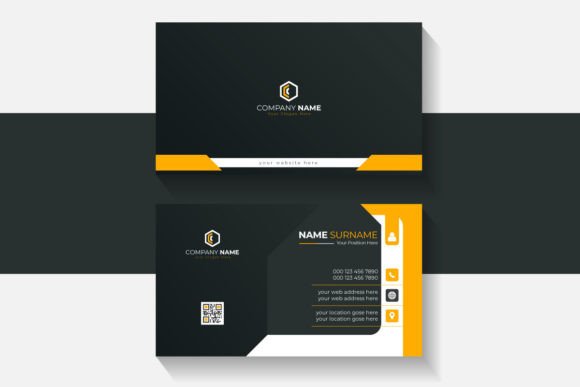
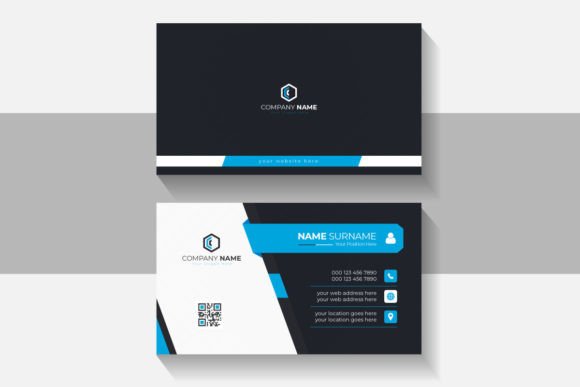
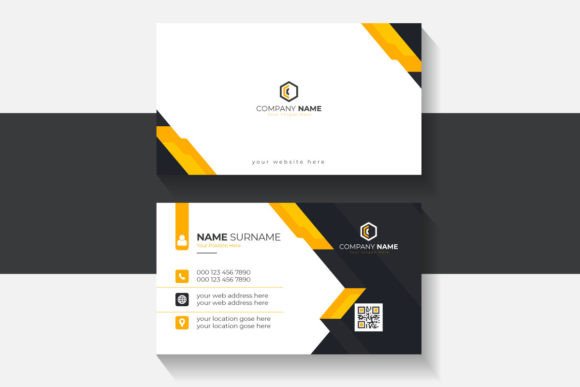
A business card is rarely just a card. It is a handshake on paper, a first impression that lingers after the conversation ends. Creative and modern business card design transforms that small rectangle into a strategic asset. When you combine a bold dark backdrop with an energetic orange accent, you signal confidence, clarity, and a forward-thinking approach. This color pairing works because it balances depth with warmth — the dark ground grounds the eye, while orange draws attention to what matters most.
What makes this approach genuinely useful is not just the visual contrast. It is the way a well-crafted design can communicate a brand’s personality without a single extra word. A modern business card does not scream for attention; it earns it through deliberate choices in color, typography, and layout. For anyone building a brand — whether you are a freelancer, a small business owner, or a creative professional — understanding how to harness these elements gives you a tangible edge.
Why Dark and Orange Works for Modern Business Cards
Dark hues — deep charcoal, near-black, or rich navy — create a canvas that feels premium and intentional. They suggest sophistication without trying too hard. Orange, on the other hand, brings energy and approachability. It is the color of action and optimism. Together, they form a palette that is both authoritative and inviting. This is not a combination that fades into the background. It asks to be picked up, held, and remembered.
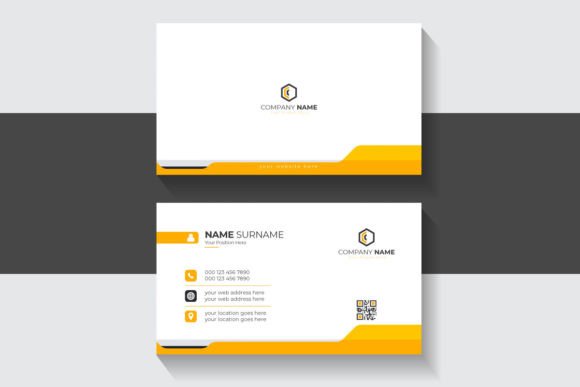
In a creative and modern business card design, this pairing also offers practical flexibility. The dark background hides minor wear, while the orange elements can be used to highlight your name, your logo, or a key call to action. The contrast naturally guides the reader’s eye along a clear visual path. When you use an RGB color mode and a 1200×800 pixel canvas, you ensure that what you see on screen translates faithfully to print. That alignment between digital preview and physical product matters more than most people realize.
Creative Possibilities Within a Structured Template
Starting with a professionally built template — such as one created in Adobe Illustrator with fully editable EPS files — does not limit your creativity. It accelerates it. You gain a solid foundation of proportions, color harmony, and typography hierarchy. From there, you can adapt and personalize without reinventing the wheel. The best creative work often emerges from constraints that free you to focus on the details that truly matter.
Consider these creative directions you can explore within a dark and orange modern business card template:
- Minimalist impact: Use the dark backdrop as empty space. Let a single orange element — a logo mark or your name — carry the full visual weight. This works especially well for consultants, architects, or anyone whose brand relies on precision and clarity.
- Layered information: Use orange for your name and primary contact details, and a lighter neutral tone for secondary information. The eye naturally scans from the brightest element to the subtler ones, creating a reading order that feels effortless.
- Geometric accents: Add diagonal lines, circular cutouts, or subtle grid patterns in varying shades of orange. These small touches add texture without clutter, giving the card a tactile quality even before it is printed.
- Duotone imagery: If your card includes a portrait or a product image, convert it to a dark monochrome with an orange overlay. This keeps the visual identity consistent and avoids the visual noise that full-color photos can introduce.
Each of these approaches respects the core template while pushing it toward something that feels personal and intentional. The goal is not to decorate but to communicate.
Adapting the Design for Different Audiences and Goals
A creative and modern business card design is not one-size-fits-all. Its real power lies in how easily it can be tuned to different contexts. A freelancer might emphasize warmth and personality. A corporate professional might lean into restraint and precision. A creative agency might push the orange to fluorescent levels and pair it with bold typography. The same dark foundation can support all these expressions.
Here is how different users can adapt this template to their specific goals:
- Freelancers and creatives: Use the free font included in the template to maintain a consistent brand voice across touchpoints. Add a subtle tagline or a short service list in orange. Keep the design airy — let the dark space breathe around your name.
- Small business owners: Place your logo prominently in orange. Use the back of the card for a short value proposition or a social media handle. The dark background makes the card feel substantial, which translates to perceived value.
- Marketers and entrepreneurs: Consider a QR code in orange that links to a portfolio or booking page. Because the orange already draws attention, the scan rate tends to be higher than on a cluttered or light-colored card.
- Educators and hobbyists: Use the template to create multiple variations for different projects or courses. The fully editable files let you swap text and colors quickly, so you can maintain a cohesive look across a series without starting from scratch each time.
The adaptability of this design approach means you are not locked into a single identity. You can evolve it as your brand grows.
Practical Guidance for Keeping Results Clear and Effective
Creativity without clarity is noise. A modern business card must be legible first, memorable second. Here are grounded recommendations to ensure your design stays effective:
- Prioritize hierarchy. Your name or brand name should be the most visible element. Use orange for this primary information. Reserve secondary details — email, phone, address — for a smaller size or a lighter shade. The reader should know in two seconds who you are and what you do.
- Limit the font palette. Use one or two typefaces at most. A bold sans-serif for your name paired with a clean sans-serif for details is usually enough. The free font provided in the template is likely chosen to complement the design — stick with it or swap thoughtfully.
- Respect the canvas. The 1200×800 pixel dimensions give you a generous proportion. Do not overcrowd it. White space (or in this case, dark space) is not empty — it is visual breathing room that makes every element on the card more impactful.
- Test legibility at scale. A design that looks striking at full size on a screen may become muddled when printed at small scale. Zoom out. Print a test. Adjust your font sizes and contrast until every word is easy to read at arm’s length.
- Keep files organized. Since the template includes fully editable Illustrator EPS files with all objects, colors, and text editable, maintain layer naming and color swatches. This makes future edits faster and prevents accidental misalignment.
These steps are not restrictive. They are the guardrails that let your creative choices land with intention.
Realistic Examples and Practical Inspiration
Imagine a freelance UI designer handing out a dark card with their name in a custom orange logotype. The back of the card shows a small screen mockup in duotone orange and dark gray. The message is immediate: this person understands visual interface design. Or consider a local coffee roaster using the template with a deep espresso background and a burnt orange accent for their logo. The card feels warm, artisanal, and grounded — exactly the tone they want to project.
For a marketing consultant, the card might feature a bold orange headline stating a single result they help clients achieve: “Grow Your Reach.” Below it, their name and contact details sit in clean white or light gray. The card functions as a miniature billboard for their core promise. These examples show that a creative and modern business card design is not about flashy effects. It is about aligning every visual choice with a clear message.
Keeping the Design Aligned With Your Brand
Consistency across your brand touchpoints builds trust. When someone receives your business card, they should feel that it belongs to the same family as your website, your social media profiles, and your email signature. Use the same orange from your digital brand. Apply the same typography. The template’s RGB color mode helps ensure that what you design on screen will match your online presence, while the high resolution supports quality print output.
If your brand evolves, the fully editable files let you update the card without starting over. Change a color, swap a logo, adjust a tagline — the structure remains intact. This saves time and maintains visual continuity across iterations.
In the end, creative and modern business card design is not about following trends. It is about making a deliberate impression that serves your audience and your goals. A dark and orange template gives you a powerful starting point. How you shape it — through thoughtful choices in hierarchy, typography, and detail — determines whether that impression lands as professional, memorable, and true to who you are.