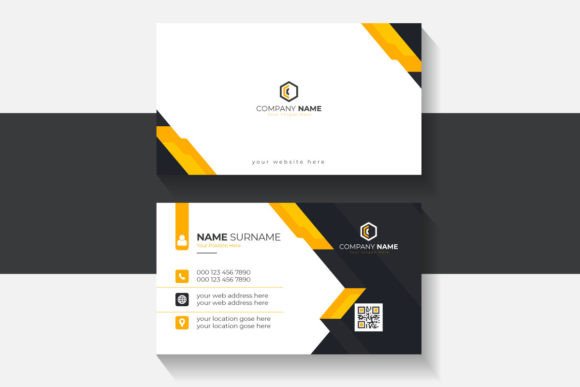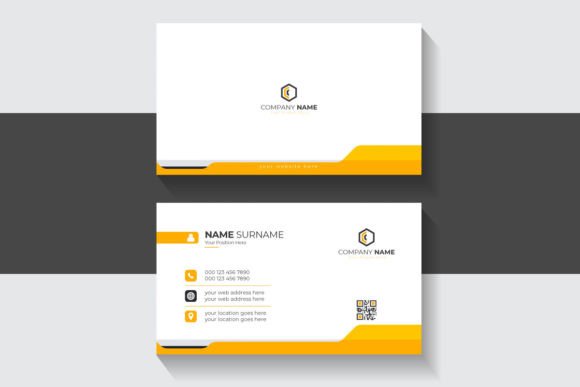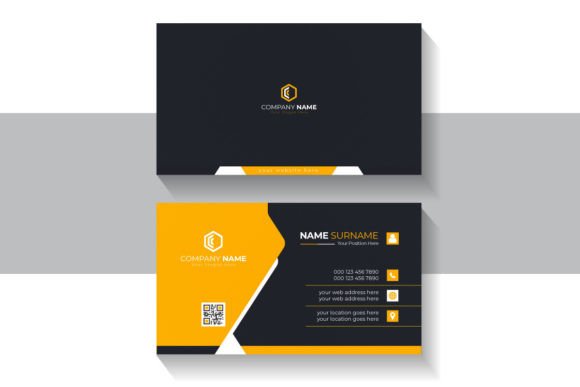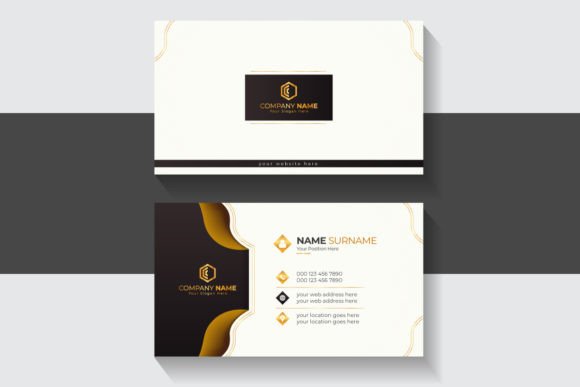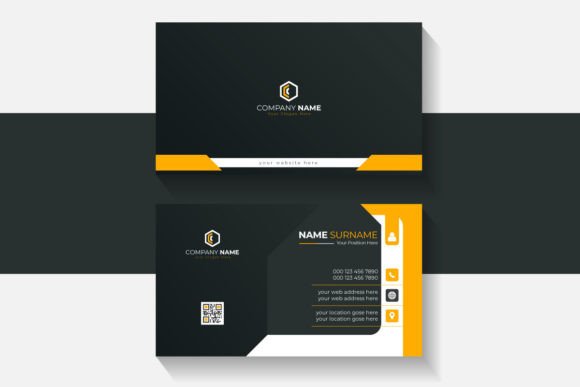
Dark & Orange Business Card Design: Modern, Creative & Editable
First impressions matter, especially in a world where digital and physical networking collide. Your business card often serves as the first tangible representation of your brand. A modern and creative business card does more than provide contact details—it communicates your style, values, and attention to detail. Among the many design approaches available, the combination of dark backgrounds with vibrant orange accents stands out as a powerful choice. This pairing balances sophistication with energy, making it suitable for a wide range of professionals and creators.
This article explores what makes this specific design style compelling, how different users can adapt it for their own goals, and practical ways to keep your results clear, effective, and audience-friendly. Whether you are a designer, entrepreneur, or freelancer, you will find actionable inspiration grounded in real-world application.
Why a Modern and Creative Business Card Matters
A business card remains a staple of professional networking, even in an increasingly digital age. The tactile experience of handing someone a well-designed card creates a memorable connection that a digital profile alone cannot replicate. A modern and creative business card elevates this interaction by blending contemporary aesthetics with functional design. The dark and orange color scheme, in particular, offers distinct advantages:
- High contrast: Dark backgrounds make orange elements pop, ensuring your logo, name, or key information stands out immediately.
- Professional edge: Dark tones convey sophistication and reliability, while orange adds warmth and creativity.
- Versatility: This palette works across industries—from tech startups and creative agencies to consulting and hospitality.
- Memorability: Unique color combinations are more likely to be remembered than standard white or light cards.
The specific design template mentioned—with RGB Color Mode, a 1200×800 pixel size, free fonts, and fully editable Illustrator EPS files—provides a solid foundation. You are not locked into a rigid layout; instead, you can customize every element to match your brand identity.
Exploring Creative Possibilities with Dark and Orange
When working with a modern and creative business card template, the dark and orange palette opens up numerous creative directions. The key is to use the contrast intentionally, not just for visual impact but to guide the viewer’s eye toward the most important information.
1. Typography as a Design Element
With a dark background, typography becomes a central visual component. Orange text on a deep black, charcoal, or navy background creates a striking look. Consider using bold sans-serif fonts for your name or title, paired with a lighter weight for contact details. The free fonts included in the template allow you to experiment without additional cost. You might also overlay a large, partial letter or word in orange as a background texture, adding depth without clutter.
2. Geometric Patterns and Shapes
Dark and orange combinations work exceptionally well with geometric patterns. Triangles, hexagons, or intersecting lines in varying opacities can create a modern, tech-forward feel. For a more organic look, try curved shapes or abstract blobs that mimic motion. The key is to keep the pattern subtle enough that it does not distract from your contact information. Using orange as an accent color within these shapes ties the design together while maintaining readability.
3. Minimalist Approach
Not every modern card needs to be busy. A minimalist interpretation uses the dark background as a canvas and places a single orange element—such as your logo or a small icon—in a deliberate position. White or light gray text for the details keeps the card clean and professional. This approach works particularly well for consultants, coaches, or professionals in fields where a calm, confident tone is preferred. The modern and creative business card template allows you to strip away unnecessary elements and focus on what truly matters.
4. Photographic Integration
For those in visual fields like photography, design, or fashion, incorporating a dark image with an orange overlay or gradient can produce a stunning result. The template’s 1200×800 pixel size offers ample resolution for high-quality images. Use a low-opacity dark gradient over a photo to ensure text remains legible, then add orange accents through borders, icons, or highlights. This creates a unique, portfolio-like card that showcases your work directly.
Adapting the Template for Different Users and Goals
The flexibility of a fully editable Illustrator EPS file means you can tailor the same base design to various audiences and contexts. Here are specific adaptations for different professional roles:
For Entrepreneurs and Small Business Owners
If you run a business, your card must convey trust and competence quickly. Use the dark background to project stability, and orange to indicate your brand’s energetic side. Place your logo prominently in orange, with your name and role in a neutral color. Include a clear call to action, such as a QR code linking to your portfolio or booking page, placed in a white or light orange box for contrast. The template’s editable layers let you adjust size and placement without starting from scratch.
For Freelancers and Creatives
As a freelancer, your card doubles as a sample of your style. Experiment with asymmetrical layouts, overlapping text, or a bold orange border that frames the entire card. Interactive elements like a die-cut circle or a fold can be planned using the EPS file’s vector capabilities. Even if you keep the design digital for sharing online, the dark and orange combination remains eye-catching on screens. The RGB Color Mode ensures colors appear vibrant across devices, which is crucial for digital-first networking.
For Designers and Agencies
For design professionals, the card itself is a portfolio piece. Use the template to showcase your range by creating multiple variations—one minimalist, one pattern-heavy, one with photographic elements—all sharing the dark and orange palette. Hand different versions to different clients or keep a set for yourself. The free fonts can be swapped with premium ones if needed, but the base template keeps the layout clean enough to highlight your typography skills. Consistency in color across all versions reinforces your brand identity.
For Marketers and Bloggers
Your card should reflect your content strategy. If your brand voice is bold and direct, use large orange text for your handle or blog name. If you emphasize expertise, keep the design subdued and let the orange accent guide the eye to your website URL or tagline. You can also adapt the card for different platforms: save a version optimized for Instagram sharing (still within the 1200×800 boundary) or create a horizontal layout for LinkedIn banner integration. The editable nature of the EPS file makes these variations quick to produce.
Practical Guidance for Clear, Effective Results
Inspiration is only useful when paired with practical steps. To get the most out of your modern and creative business card template, keep these recommendations in mind:
- Prioritize readability: High contrast is a strength, but don’t rely on it alone. Ensure font sizes are large enough—especially for phone numbers and email addresses—and avoid placing text over busy pattern areas.
- Test across formats: Print a physical sample before committing to a large order. Colors can appear differently on screen (RGB) versus print (CMYK), even though the template is set to RGB for digital use. Request a proof from your printer to verify the orange hue matches your brand.
- Limit color usage: Stick to one or two shades of orange alongside the dark background and white or light gray text. Adding too many colors risks diluting the visual impact and making the card feel chaotic.
- Use negative space deliberately: The dark areas aren’t just background—they are breathing room. Let the orange elements have space to stand alone, and avoid filling every corner with content. A clean card is a professional one.
- Keep files organized: Since the template includes separate layers for objects, colors, and text, maintain a logical structure as you edit. Name layers clearly and group related elements. This makes future revisions faster and helps if you collaborate with others.
Consistency across your brand materials also matters. If your website, social media profiles, and other collateral use a similar dark and orange palette, the business card becomes a natural extension rather than a standalone piece. This strengthens recognition and trust over time.
Realistic Examples to Inspire Your Next Design
To ground these ideas, here are a few concrete scenarios based on the dark and orange template:
Example 1: The Personal Branding Card
A freelance copywriter uses a dark navy background with an orange ampersand (&) as the central graphic. Her name appears in white below it, with contact details in a small, light orange line at the bottom. The card is clean, instantly recognizable, and professional.
Example 2: The Agency Portfolio Card
A branding agency creates a card with a dark background and an orange geometric polygon that spans half the card. Agency name in bold orange on the dark side, and individual team member details on the light side (using a reversed version of the palette). This design communicates creativity and structure simultaneously.
Example 3: The Event-Based Card
An event planner designs a limited-edition card for a conference. The dark background features an orange gradient that fades from bright to dark, with event date and location overlaid in white. A QR code in orange directs attendees to the schedule. The template’s ease of editing makes such seasonal adaptations simple.
Each example uses the same core template but adapts the layout, typography, and orange intensity to fit a unique purpose. The common thread is intentionality: every element serves the card’s goal.
Keeping Your Design Audience-Friendly and Original
A modern and creative business card should feel fresh without sacrificing usability. To ensure your design resonates with the intended audience, consider their expectations and context. For instance, a card for a tech startup might benefit from a bolder, more experimental layout, while a card for a law firm should lean toward the minimal and structured side. The dark and orange combination can adjust in intensity—deep, muted orange for conservative fields, bright, saturated orange for creative industries.
Originality also comes from small touches that reflect your personal style. Perhaps you add a subtle texture to the dark background, like a noise overlay or a slight gradient. Maybe you include a hand-drawn orange underline beneath your name. These details make the card feel bespoke even when using a template.
Finally, always test your card with a few people outside your immediate circle. Ask them what they notice first, whether the information is easy to find, and what impression the card gives. This feedback is invaluable for fine-tuning before printing or sharing digitally.
By starting with a well-structured modern and creative business card template and applying thoughtful customization, you create a tool that supports your networking efforts authentically. The dark and orange palette is not just a trend; it is a practical, beautiful choice that can evolve with your brand. Take the time to explore the possibilities, and your card will speak volumes before a word is spoken.