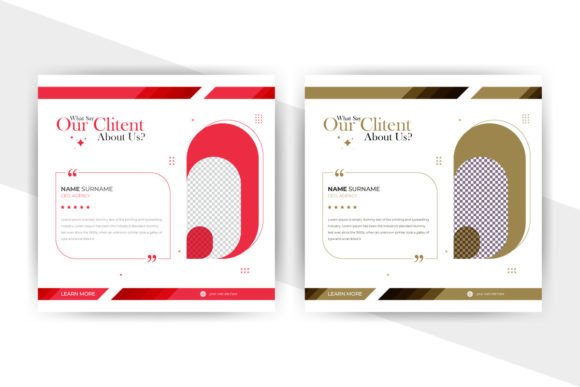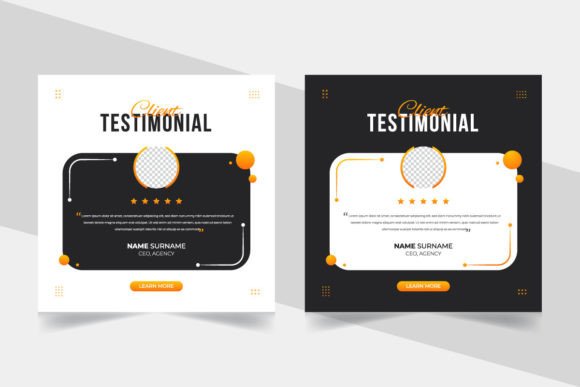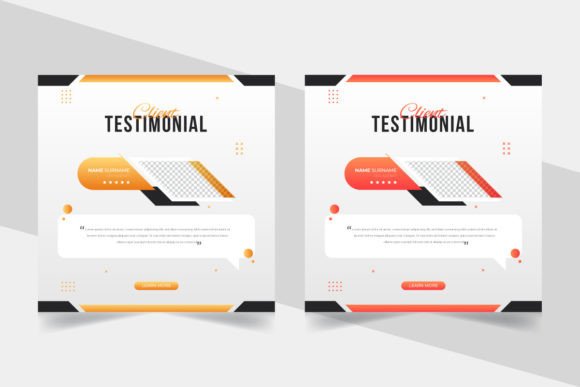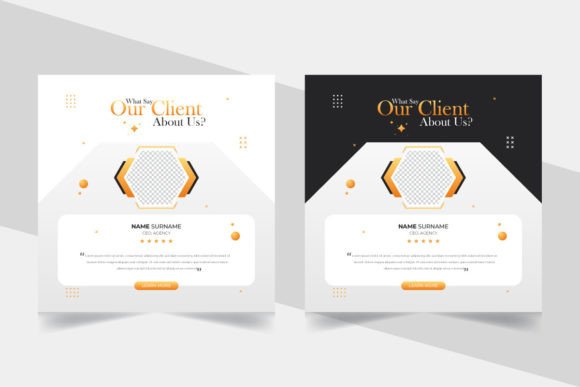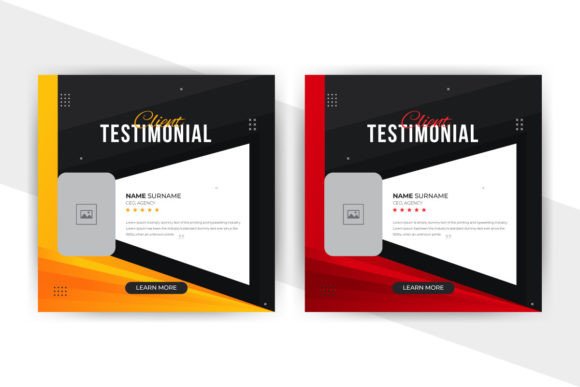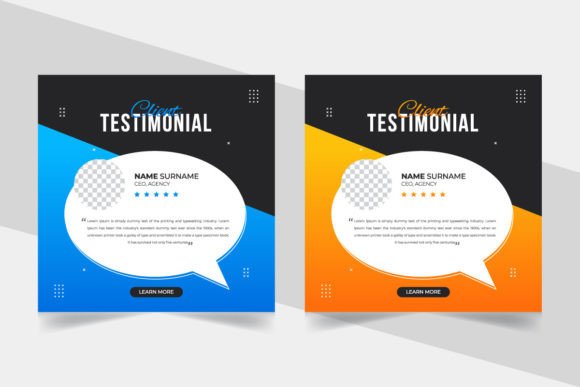
Customer Feedback Review and Testimonial Templates
When you build a brand, every piece of social content is a chance to earn trust. Few assets do this faster than a well-placed customer feedback review or testimonial. But the words alone are not enough. How you frame, design, and present that feedback determines whether it stops a scroll or gets skipped. That is where a dedicated feedback review or testimonial social media post template becomes invaluable. These pre-built designs turn raw customer praise into shareable, professional visuals that reinforce credibility across every platform you manage.
Think of a testimonial template as a bridge between what your customers say and what your audience sees. It gives structure to genuine emotion while keeping your brand identity intact. For anyone juggling content creation, marketing, or small business operations, these templates save time and ensure consistency without sacrificing originality.
Why Feedback Templates Matter for Your Brand
Customer feedback review or testimonial content is persuasive because it comes from real people. Yet without a clean layout, strong typography, and cohesive color, even the most heartfelt quote can look like an afterthought. Templates solve this by providing a ready-made frame that elevates the message. They remove the friction of starting from a blank canvas, letting you focus on matching the right testimonial to the right visual treatment.
From a practical standpoint, templates also enforce brand discipline. When every feedback post uses the same RGB color mode, font family, and dimensions—like the standard 1200×800 pixel size—your feed appears curated and intentional. This consistency builds recognition. Followers begin to associate that clean layout with authentic voices, not just promotional noise.
What Makes These Templates Different
The templates described in the brief are fully editable with Illustrator EPS files. Every object, color, and text block can be adjusted. That means you are not locked into a rigid design. You can swap backgrounds, adjust quote styles, or introduce your own brand palette without starting over. This flexibility is critical for creators and marketers who need to adapt one core design across multiple platforms and campaign phases.
Professional and clean files also mean fewer technical headaches. RGB color mode ensures accurate display on screens, and the free font guidelines keep costs low while maintaining a polished look. For freelancers and small business owners working with limited budgets, this combination of professional output and zero font licensing fees is a genuine advantage.
Creative Approaches to Showcasing Customer Voices
A testimonial template is not a one-size-fits-all solution. You can vary the style, layout, and emphasis depending on the story you want to tell. Here are several approaches that work across different contexts and audiences.
Quote-Centric Minimalism
Place the customer’s words at the center with generous white space. Use a large, bold quote mark as a visual anchor. Keep the font clean and readable. This approach works well for LinkedIn, blog post promotions, or email headers where professional tone matters. It signals that you value the customer’s voice enough to let it stand alone.
Photo + Quote Pairings
If you have permission to use a customer headshot or lifestyle image, pair it with their testimonial. The human face adds warmth and authenticity. Use the 1200×800 canvas to split the layout: photo on one side, quote on the other. This style is especially effective on Instagram and Facebook, where visual connection drives engagement.
Rating and Review Cards
For e-commerce or service-based businesses, a template that mimics a star rating or review card feels familiar and trustworthy. Include a bold numeric rating, a short quote, and a subtle brand logo. These templates work well in carousel posts or as standalone graphics in a product launch sequence.
Carousel Series with Multiple Voices
Rather than one testimonial per post, create a swipeable carousel featuring three to five customer quotes. Use a consistent template design across each slide, changing only the quote and customer identifier. This format invites longer engagement and can be repurposed as a testimonial showcase on your website.
Adapting Templates for Different Platforms and Audiences
Your audience on Instagram may respond to bold, colorful layouts, while LinkedIn users prefer restrained, text-forward designs. The beauty of editable EPS files is that you can adjust the same base template for each channel without rebuilding from scratch.
For Instagram, emphasize visual hierarchy with large typography and vibrant brand colors. The square-friendly nature of the 1200×800 canvas can be cropped to 1080×1080 or used as a vertical story background. For LinkedIn and Facebook, keep the layout more horizontal and reserved. Reduce decorative elements so the quote remains the focal point.
Email newsletters benefit from testimonial templates as well. Export a compressed PNG or JPEG from your EPS file and insert it as a banner image. The clean RGB color mode ensures it renders well across email clients. For blog posts, use the template as a featured image or inline pull quote.
Targeting Different Audiences
A testimonial that resonates with educators may sound different from one aimed at entrepreneurs. With editable text, you can tailor the language and context. For a hobbyist audience, choose quotes that emphasize joy and ease of use. For business owners, highlight results, efficiency, or ROI. The template structure stays the same, but the voice changes. This adaptability makes a single template set feel custom for each segment.
Practical Design Choices That Build Trust
Clarity is the foundation of an effective customer feedback review or testimonial post. When someone sees the design, they should immediately understand what the quote is, who said it, and why it matters. Avoid cluttered backgrounds, excessive text, or competing visual elements. Keep the hierarchy simple: customer name or handle, short quote, and a subtle brand marker.
- Font choice: Stick to one or two clean typefaces. Use a bold weight for the quote and a regular weight for attribution. Free fonts work perfectly, especially sans-serif families for readability on mobile screens.
- Color palette: Use your brand colors sparingly. A colorful accent for the quote mark or a background tint is enough. The majority of the layout should remain neutral or use soft tones so the text remains legible.
- White space: Do not be afraid of empty areas. White space gives the eye a resting point and makes the customer’s words feel intentional rather than crammed.
- Consistency: Use the same template family for every testimonial post. This creates a recognizable series that audiences come to trust and expect.
Example: A Template That Works Across Contexts
Imagine you run a small creative agency. A client sends you a short message: “Working with your team doubled our email signups in two months.” Using a clean testimonial template, you create a 1200×800 graphic. The background is a soft neutral, the quote appears in a bold sans-serif, and the client’s name and title sit below in a smaller weight. A small logo sits in the corner. You export this graphic and use it in three ways: an Instagram post, a LinkedIn update, and the hero section of your next newsletter. The message stays consistent, the visual identity stays intact, and you spent under ten minutes on the entire process.
This scenario is realistic for any marketer, freelancer, or educator who regularly collects feedback. The template does the heavy lifting so you can focus on selecting the most impactful quotes and matching them to the right audience moment.
Keeping Your Feedback Content Consistent and Fresh
One risk of using templates is that everything starts to look the same. To avoid visual fatigue, introduce variations within your template family. Change the background color with each new testimonial. Alternate between left-aligned and center-aligned text. Use a different accent element, such as a subtle icon or a colored underline. These small shifts keep the content feeling fresh while maintaining the recognizable structure.
Another approach is to batch your testimonial content. Set aside an hour each month to update your EPS template with new quotes, export a set of graphics, and schedule them across your platforms. This practice ensures a steady stream of social proof without last-minute design panic.
Finally, periodically review which testimonial posts drive the most engagement. If photo-based templates outperform text-only ones, lean into that style. If carousels generate more saves and shares, create a series. The template is a tool, not a constraint. Let performance data guide your creative direction.
Originality Within a Structured Format
Some creators worry that using a template makes their content feel generic. The opposite is true when you customize the template to reflect your voice. Swap the default font for one that matches your brand identity. Adjust the color palette to align with a current campaign. Write your own attribution style, whether that means including social handles, job titles, or company names. The template provides the skeleton, but you supply the personality.
Editable files exist precisely for this reason. They are starting points, not final products. The more you treat them as flexible tools, the more original your output will feel.
Practical Recommendations for Different User Types
For designers, push the template further by experimenting with layering, gradients, or duotone effects within the EPS file. For marketers, use analytics to identify which testimonial formats convert best and create dedicated template variants based on those insights. For small business owners, keep a folder of pre-approved templates that you can pull up immediately when a positive review comes in. Speed matters. The faster you can publish a testimonial while the sentiment is fresh, the more authentic it reads.
Educators and bloggers can use testimonial templates to highlight student success stories or reader feedback. A visual quote from a student who achieved a goal or a reader who found value in a post adds social proof that resonates more than a written testimonial buried at the bottom of a page.
Freelancers often need to prove their value without a big brand name behind them. A clean testimonial template lets you present client praise in a professional format that rivals larger agencies. It signals that you take your work and your relationships seriously.
Ultimately, the goal is to make customer voices visible, memorable, and actionable. A well-designed template does not replace the authenticity of the feedback. It amplifies it. And when you build a library of editable, professional files, you are never more than a few clicks away from turning a kind word into a powerful piece of content.
Whether you are sharing a single quote on Instagram or building a carousel of success stories for a campaign, the right template structure keeps your message clear and your brand consistent. Invest the time to customize your first template well, and you will have a system that serves you across every platform, audience, and goal.