The Abstract Architecture of Customer Feedback: From Silent Signals to Visual Templates
Feedback as an Invisible Current
Customer feedback is rarely a straightforward transaction. It moves beneath the surface of every interaction, a current of unspoken expectations, fragmented perceptions, and layered emotions. When we speak of the abstract concept of customer feedback, we are really describing a system of signals that are never purely rational. A single comment may carry the weight of past disappointments, future hopes, and the subtle pressure of social identity. Designers, product managers, and business owners who treat feedback as mere data points miss the richer truth: feedback is an abstract sculpture carved from experience, memory, and context.
Understanding this abstraction is not a luxury but a necessity. The most actionable insights emerge not from isolated star ratings but from patterns that reveal themselves only when we step back from the literal and consider the symbolic, the tonal, and the relational. For researchers and educators, this means teaching feedback literacy as a form of interpretation rather than collection. For creators and hobbyists, it means listening for what is not written as carefully as what is.
The Creative and Abstract Concept of Customer Feedback as a Social Media Template
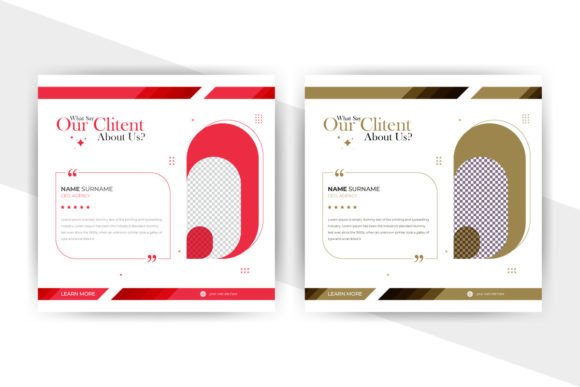
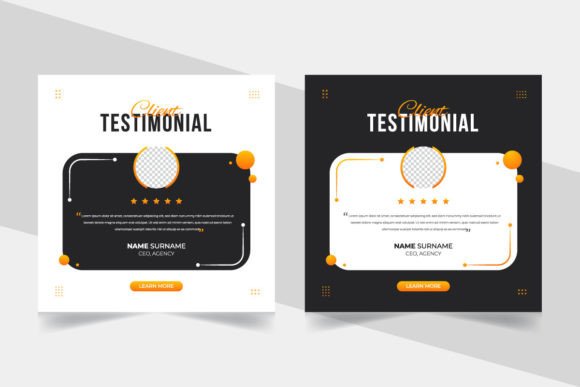
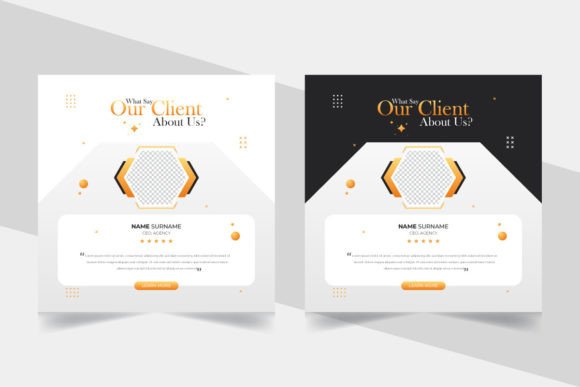
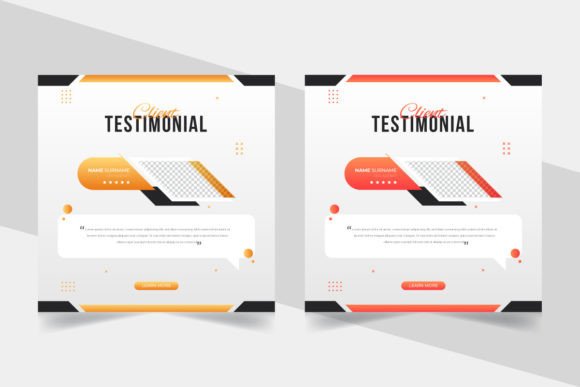
In the crowded landscape of social media, where attention fractures and scroll speed outpaces comprehension, the creative and abstract concept of customer feedback social media template becomes a bridge between raw sentiment and visual storytelling. A template is not merely a container for text—it is a cognitive frame that guides how an audience interprets praise, criticism, or suggestion. When designed with abstraction in mind, a feedback template can evoke the emotional temperature of a review before a single word is read.
Consider the use of color gradients that shift from cool blue to warm amber, suggesting a journey from dissatisfaction to delight. Or the placement of a single word at the center of a 1200×800 pixel canvas, surrounded by negative space that mirrors the silence between what a customer says and what they mean. These design choices are not decorative—they are functional abstractions that communicate nuance faster than prose. For social media managers and content creators, mastering this visual language transforms a routine testimonial post into a resonant artifact that feels less like advertising and more like shared understanding.
The template format also imposes constraints that paradoxically unlock creativity. By fixing dimensions, color modes, and font families, the designer is freed to focus on composition, hierarchy, and emotional pacing. Each template becomes a reproducible yet endlessly variable system—a kind of design grammar for feedback that can scale across industries without losing its human center.
RGB Color Mode and the Emotional Palette of Response
Color is one of the most immediate and least conscious channels of communication. The RGB color mode used in digital feedback templates is not a technical footnote but a fundamental layer of meaning. Red, green, and blue light combine to produce millions of hues, each capable of shifting a viewer's perception of credibility, warmth, or urgency. A testimonial rendered in saturated crimson and deep violet reads differently than one set in soft sage and muted gold, even if the words are identical.
For professionals designing feedback assets, understanding RGB as an emotional palette is essential. A harsh critique might be framed in desaturated tones to reduce defensive reactions, while a glowing review benefits from high contrast and luminous highlights that mirror the energy of delight. The 1200×800 pixel canvas—common to social media banners and web graphics—provides enough real estate to build a visual rhythm: a headline in bold sans-serif, a pull quote anchored by a color block, and a subtle icon that hints at the industry without cluttering the message.
The choice of free fonts further democratizes this process. When templates specify free fonts, they remove a gatekeeping barrier. A small business owner or independent educator can access the same visual quality as a large agency, as long as they understand how a font's weight, spacing, and posture contribute to the abstract feel of the feedback. A rounded sans-serif suggests approachability; a condensed geometric feels precise and modern; a handwritten style introduces vulnerability and authenticity. Each typeface becomes a silent collaborator in the testimonial's emotional arc.
Fully Editable Files as a Philosophy of Adaptation
The phrase fully editable files included carries more weight than it first appears. It signals that feedback is never static. A customer's opinion evolves, context changes, and what worked as a testimonial six months ago may need tonal recalibration today. Editable Illustrator EPS files allow designers to revisit the same abstract concept of customer feedback and adjust its visual voice without rebuilding from scratch. This is not just convenience—it is a recognition that feedback itself is iterative.
When all objects, colors, and text remain editable, the template becomes a living document rather than a fossil. A researcher studying sentiment trends can swap color schemes to match different phases of a longitudinal study. A marketing team can localize feedback templates for different regions by adjusting cultural color associations or swapping font styles that better suit non-Latin scripts. A hobbyist creating a personal brand can experiment with dozens of variations from a single source file, learning design principles by doing rather than by reading.
This adaptability aligns with the broader shift toward agile content creation. In an environment where customer expectations shift rapidly, the ability to re-skin a feedback template in minutes rather than days is a competitive advantage. The professional and clean files that come with these templates are not merely aesthetically pleasing—they are strategically modular, built to be forked, remixed, and redeployed across channels ranging from Instagram carousels to LinkedIn banners to embedded web sections.
Use Cases Across Audiences and Industries
The practical reach of an abstract feedback template extends further than many assume. For business owners, a well-designed testimonial banner can live on a homepage as social proof, but it can also be sliced into components for email signatures, slide decks, and print flyers. For educators, the template serves as a teaching tool: students analyze how color, typography, and layout influence the perceived credibility of a review. For researchers studying consumer behavior, the template format provides a controlled variable—by changing only one design element at a time, they can isolate its effect on viewer trust.
Creators and hobbyists benefit from templates that lower the technical barrier. Instead of learning complex software from scratch, they can open an Illustrator EPS file, replace placeholder text with a real customer quote, and adjust colors to match their brand palette—all while preserving the original file's professional structure. This reduces the gap between intention and execution, allowing the creator to focus on authenticity rather than technical debugging.
For social media professionals, the 1200×800 pixel format fits naturally into platforms like Facebook, LinkedIn, and Pinterest. When combined with a consistent visual identity across posts, these templates build recognition and trust. Over time, followers learn to associate a certain color treatment or layout with genuine customer voices rather than polished marketing copy. This is where the abstract concept of customer feedback becomes most concrete: a design system that consistently signals honesty builds a feedback culture that encourages more participation.
Professional and Clean Files as a Standard of Respect
There is a subtle but important message in delivering professional and clean files. It communicates that the feedback itself deserves careful presentation. When a customer takes the time to share their experience, the least a brand can do is display it with thoughtful design. Clean files mean organized layers, named groups, and non-destructive editing workflows. They mean that the person who opens the template does not have to untangle someone else's shortcuts or guess which object controls which color.
This level of professionalism also protects the integrity of the feedback. A messy file can introduce accidental distortions—a misaligned quote mark, a color shift that changes the emotional tone, a cropped testimonial that loses its punch. By providing files that are both editable and meticulously structured, designers uphold a standard that respects both the customer who spoke and the audience who will see their words.
For agencies and freelancers who produce these templates, the investment in clean architecture pays dividends in client satisfaction and repeat usage. A client who can easily adapt a template for their next campaign is a client who will come back for more. And when the template is based on the abstract concept of customer feedback, the repeat usage is not just about convenience—it is about reinforcing a feedback loop where every iteration improves both the design and the understanding of what customers truly value.
Color Variation and the Spectrum of Sentiment
A single template with color variation offers a built-in narrative flexibility. A positive testimonial might default to greens and blues, colors associated with growth and trust. A critical but constructive review could be framed in amber and charcoal, signaling importance without triggering shame. A neutral observation might sit comfortably in soft grays and whites, allowing the content to speak without emotional coloring. The ability to shift these palettes within the same structural layout means that the abstract concept of customer feedback can be expressed in multiple emotional keys without reinventing the visual framework each time.
This is particularly valuable for companies that collect feedback across diverse touchpoints—product reviews, customer support conversations, NPS surveys, social media mentions. Each source has its own texture, and color variation allows the designer to honor those differences while maintaining a cohesive brand presence. The template becomes a flexible translation layer between the messy, human reality of feedback and the polished, shareable format of social media.
Observations on Implementation and Real-World Relevance
In practice, the most successful feedback templates are those that leave room for imperfection. A quote that is slightly too long, a line break that falls in an awkward place, a background texture that evokes a specific industry—these are not flaws but features. They signal that the feedback is genuine, not staged. Designers who over-polish the abstract concept of customer feedback risk stripping away the very humanity that makes testimonials persuasive.
Real-world examples abound. A small coffee shop posts weekly customer quotes on Instagram using a consistent template with warm earthy tones and a handwritten-style free font. Over time, regulars begin to recognize the format and stop scrolling to read the quote. A B2B software company uses a cooler, more structured template on LinkedIn, featuring short excerpts from client interviews. The template's clean lines and muted color variation signal professionalism, while the editable EPS files allow the marketing team to localize quotes for different regional offices.
For educators, these templates serve as case studies in rhetoric. Students can compare a testimonial presented in a minimalist black-and-white layout versus one with vibrant gradient backgrounds, and discuss how each affects perceived trustworthiness. This hands-on analysis deepens understanding of how design decisions embody the abstract concept of customer feedback in ways that words alone cannot.
Toward a Feedback Design Literacy
As the boundaries between content creation, marketing, research, and community management continue to blur, the ability to design for feedback becomes a cross-disciplinary skill. The creative and abstract concept of customer feedback social media template is not a niche product—it is a microcosm of a larger shift toward visual communication that respects complexity. By combining RGB color theory, free typography, modular file formats, and intentional layout, these templates offer a practical entry point into a richer conversation about what feedback means and how it moves people.
Whether you are a professional designer building assets for a global brand, a researcher standardizing stimuli for a study, or a hobbyist learning to express your customers' voices with care, the principles remain the same. Feedback is abstract, layered, and alive. The templates we build to carry it should be no less thoughtful.