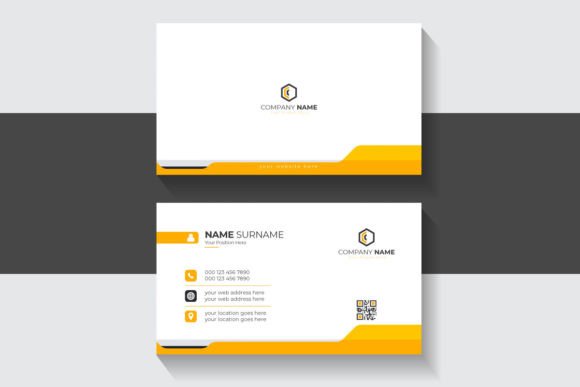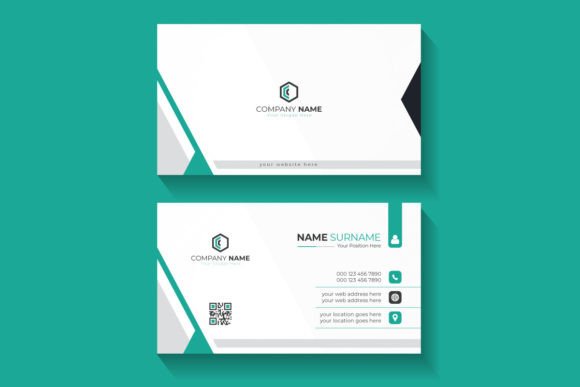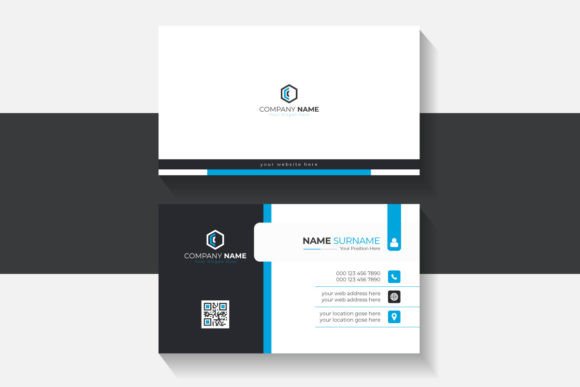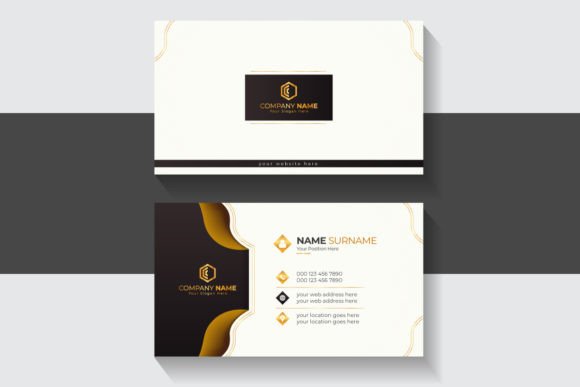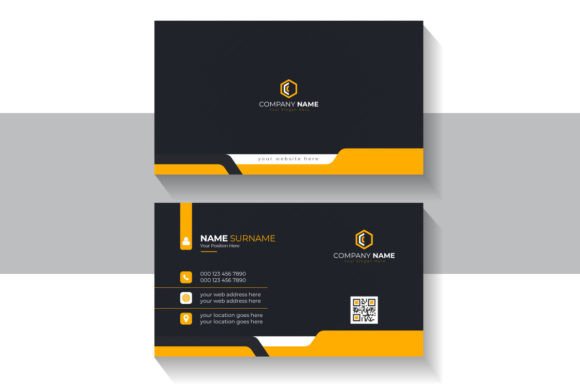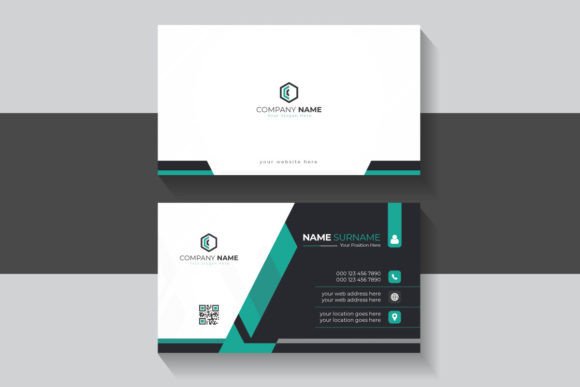
Professional Business Card With Abstract Templates
First impressions happen fast, and the tools you use to introduce yourself matter. A business card often serves as a physical handshake, but in many workflows it also becomes a digital asset for proposals, pitches, or social media. The Professional Business Card with Abstract design type sits at an interesting crossroads. It promises the reliability of a structured template while offering the visual intrigue of modern, abstract art. This combination makes it relevant for a wide range of users, from entrepreneurs to educators. Here is a practical look at what this toolkit offers and how to evaluate if it serves your specific goals.
Understanding the Dual Nature of the Design
Let us unpack the term itself. The word “professional” implies clean typography, standard layout conventions, editable text layers, and print-ready specifications. The word “abstract” introduces color overlays, geometric shapes, fluid gradients, and non-representational art. Together, these elements form a template that stands out without sacrificing readability.
The technical specifications matter here. The RGB color mode suggests this design was built with both screen and print in mind, though you will need to convert to CMYK for professional offset printing. The 1200x800 pixel size is an aspect ratio that mimics common social media dimensions and presentation slide layout. This makes the template a true multipurpose asset rather than just a card design. The inclusion of fully editable Illustrator EPS files is the core of its value. You are not locked into a single interpretation. Every color, shape, and text block can be adjusted to fit a specific brand identity.
Evaluating the Core Features Across Different Needs
A template is only as good as the problems it solves. Different users will naturally prioritize different aspects of the same file package. Understanding what you need most can help you decide if this template fits.
Ease of Use Versus Creative Control
For a beginner, the “Free Font Used” and “clean files” aspects are the biggest selling points. You do not need to spend extra money or track down expensive typefaces. The template works right out of the box, and the organized layers make it easy to find the text field for your name and title. You can have a finished card in minutes.
For an experienced designer or creative professional, the “Fully Editable Files” promise is the main draw. An EPS file allows for deep manipulation. You can take the abstract shapes and repurpose them for a website hero section or a social media story. The creative control is high, and the template acts as a structural shortcut that saves time on composition.
Cost Efficiency Versus Commercial Value
Hobbyists and consumers might look at this purely from a cost perspective. The question is simply whether the design looks good for the price. For a single event or a personal project, the low cost of entry is appealing.
Entrepreneurs and small business owners look at it from a time and resource perspective. Paying for a single template that can be repurposed for business cards, a LinkedIn banner, email signatures, and a proposal cover sheet offers strong commercial value. It replaces the need to purchase multiple separate design assets. The multipurpose nature of the file turns a small investment into a versatile branding tool.
Digital Presentation Versus Print Flexibility
Marketers, bloggers, and publishers often need assets that look good on a screen. The RGB color mode and the 1200x800 pixel dimensions make this template ideal for digital presentation. It fits neatly into a pitch deck, works as a virtual background, or can be used as a graphic for a newsletter.
Freelancers and small publishers might value the flexibility for both print and digital. Because the files are fully editable, you can take the same abstract background and scale it for a print run or crop it for a social media profile image. The design adapts to the medium rather than forcing the medium to fit the design.
Who Benefits Most from This Type of Template?
Abstract design is not for every industry, but for many modern professionals it offers a way to signal creativity and forward thinking. Here are specific scenarios where this toolkit shines.
The Entrepreneur Building a Brand Fast
Imagine a founder launching a boutique consultancy. They need a business card and a basic branding asset for their website within a day. They open the EPS file, edit the text, change the colors to match their brand palette, and export PNGs for their site. The abstract background gives their brand a creative, sophisticated feel without needing to hire a graphic designer for a full week. Their priority is speed and quality, and the template delivers both.
The Freelancer Extending Their Portfolio
A freelance illustrator or photographer does not just want a card. They want the card to feel like an extension of their creative work. Abstract backgrounds provide a perfect foundation for this. The freelancer can modify the shapes, add their own textures, or change the geometry to reflect their artistic style. The template acts as a reliable structural starting point, giving them a composition that works, which they then personalize deeply. This allows for a high degree of originality with a professional finish.
The Marketing Manager Coordinating a Team
A small team needs business cards for a trade show. The manager wants consistency across the group but not total uniformity. Using the multipurpose nature of the design, they create slightly different color variations of the abstract background for different departments. For example, blue tones for sales, green for support, and orange for executives. The 1200x800 size also works perfectly for a quick email signature banner for the entire team. The priority here is reliability and scalability across multiple users.
The Educator Teaching Design Principles
An educator planning a module on brand design can use this file as a teaching tool. The fully editable nature allows them to show students the difference between print and digital color spaces. They can demonstrate how vector shapes in an EPS file interact with typography. It becomes a practical resource for explaining abstract composition in graphic design without needing to build examples from scratch. The learning value here is substantial.
Deciding If This Template Matches Your Context
Before purchasing or downloading a template, it helps to align the asset with your own skill level and project requirements. Here is a practical way to evaluate the fit.
Skill Level Alignment
If you are a beginner, you will appreciate that the files are clean and organized. You only need basic knowledge of opening an EPS file and using the text tool. The included free fonts reduce friction. This is a safe choice for learning professional layout basics.
If you are an intermediate user, you will enjoy the organized layers and editable paths. You can change gradient colors, swap abstract shapes for your own logo graphic, or adjust the composition. The template gives you a structure to experiment within.
If you are an advanced user, you will likely see the template as a starting point. You might extract the abstract geometry to build a full branding package or rebuild the file in another software. The core value lies in the flexibility of the original vectors.
Project Type Alignment
For networking events, this design is a strong choice. The creative background makes the card memorable and gives people a visual anchor to remember the exchange. For corporate environments, the fit depends on the culture. Conservative industries like law or finance often prefer simpler grids, while startups, agencies, and creative fields will appreciate the abstract energy. For digital-first use, the RGB mode and the 1200x800 pixel resolution are ideal. The design looks crisp on a monitor, phone screen, or tablet, making it suitable for virtual backgrounds and social media display.
Long-Term Usefulness
The commercial value increases if you frequently update your contact details or run multiple campaigns. Instead of redesigning from scratch each time, you simply open the EPS file, update the text, and export a fresh batch. The use of free fonts also means you will not encounter font licensing issues or missing typeface errors years later when you need to revise the file. This makes the template a durable asset in your toolkit.
Practical Tips for Getting the Most Out of the Files
To make the editing process smooth and efficient, keep a few practical steps in mind.
- Check the layers first. Open the layer panel in Illustrator. A well-built EPS will have clearly labeled layers such as “Background Abstract,” “Name,” and “Title.” This makes navigation instant.
- Modify colors thoughtfully. Use the template’s original color palette as a guide. Replace the RGB values with your exact brand hex codes to maintain consistency across your materials.
- Export for the right purpose. Export in RGB at 1200x800 pixels for web use. If you need to send the card to a printer, convert the file to CMYK and ensure the resolution is suitable for the print size.
- Install the fonts before editing. Download the free fonts linked in the template description and install them on your system. This prevents text formatting errors and ensures the layout looks exactly as intended.
When you take a moment to understand the layer structure and color settings, the editing process becomes straightforward. Whether you are preparing for a major conference or refreshing your personal brand, having a reliable foundation allows you to focus on the details that matter most to your audience.