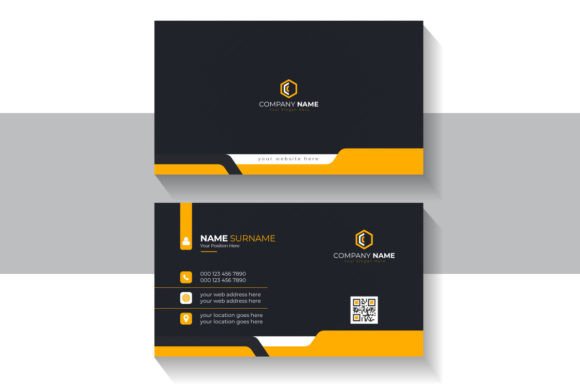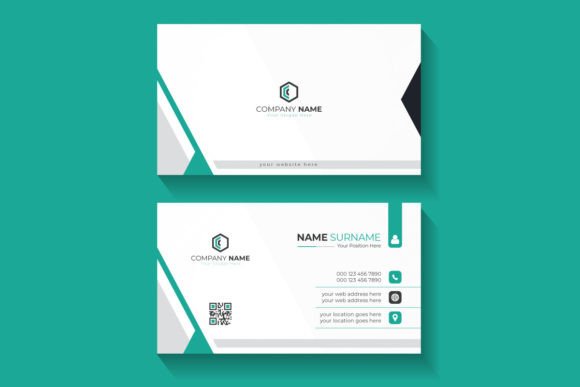
The Modern Blueprint: Why a Business Card Template Defines Your Professional Identity
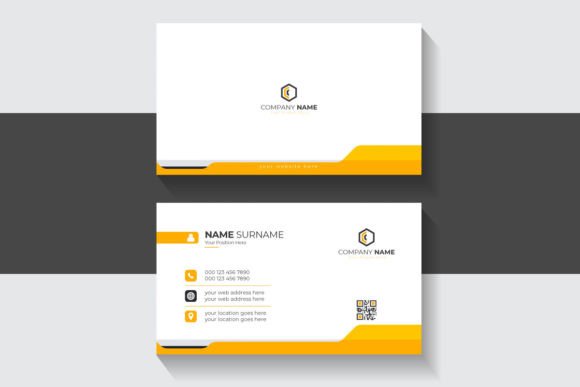
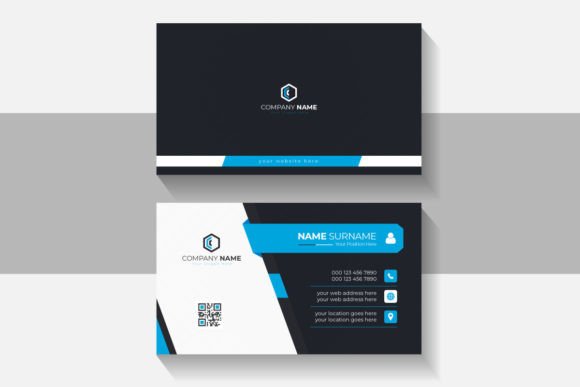
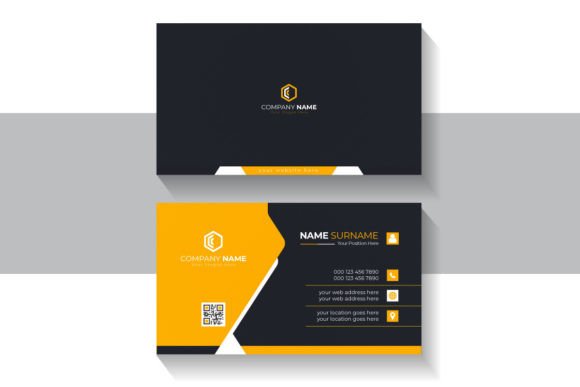
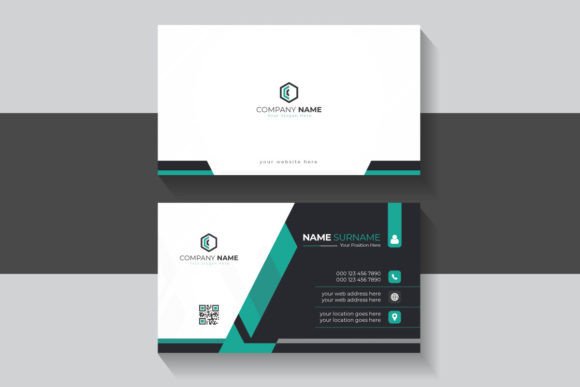
In a digital-first world, you might wonder if the humble business card still matters. Yet every handshake, every conference encounter, and every casual networking moment still culminates in that small, tangible exchange. A business card template is no longer just a layout with a logo and a phone number. It is a visual handshake, a compressed version of your brand identity, and often the first physical artifact a potential client or partner takes away from a meeting. When you choose a creative modern professional business card template for business presentation, you are making a statement about your attention to detail, your design sensibility, and your understanding of how first impressions work.
But not all templates are created equal. The difference between a card that gets tossed into a drawer and one that earns a spot on a desk often comes down to the underlying structure of the design file itself. Features like RGB Color Mode, specific pixel dimensions, and editable file formats matter more than most people realize. Understanding these technical details can transform a simple template into a powerful branding tool that works seamlessly across both digital presentations and physical print runs.
Why Template Quality Matters More Than You Think
There is a common misconception that using a business card template means settling for a generic, one-size-fits-all solution. In reality, a well-constructed template offers a foundation that you can build upon, not a cage that limits your creativity. The key is understanding what makes a template truly flexible and professional-grade.
A quality template saves you hours of layout work, but it also ensures that your card adheres to standard dimensional conventions while leaving room for creative expression. When you work with a template that has been thoughtfully constructed, you are not starting from scratch—you are starting from a position of strength. The best templates function as collaborative partners in the design process, providing structure without stifling originality.
Think about the last time you received a business card that felt off balance. Maybe the text was too small, the margins were uncomfortable, or the colors looked dull. Those small issues are often the result of starting with a weak or poorly constructed template. A creative modern professional business card template for business presentation eliminates those problems before they arise, giving you a reliable framework that has already been tested for visual harmony.
Decoding the Technical Specifications That Matter
Let's break down the technical features that separate a premium template from a mediocre one. You will encounter terms like RGB Color Mode, 1200×800 pixel dimensions, and free font usage when browsing templates. Each of these specifications serves a specific purpose, and understanding them helps you choose the right tool for your project.
RGB Color Mode: The Digital-First Advantage
Traditionally, print design has relied on CMYK color mode. However, a growing number of modern workflows begin in the digital space. A template built in RGB Color Mode offers distinct advantages for professionals who need to present their card designs on screens, websites, or social media before committing to print. RGB provides a broader and more vibrant color gamut, which means your neon accents, gradients, and bright corporate colors will appear more vivid on digital displays.
If you are presenting a business card concept to a client or team member remotely, an RGB-based business card template ensures that what they see on their monitor closely matches your creative intent. You can always convert to CMYK later for print production, but starting in RGB gives you more creative latitude during the design phase.
Size Specifications: 1200×800 Pixels and Why It Works
You might notice that many premium templates specify a size of 1200×800 pixels. This is not an arbitrary number. These dimensions create a comfortable canvas for a standard horizontal business card layout with ample room for bleeds, margins, and safe zones. At this resolution, you have enough pixel density to work with fine details, small text, and intricate logo elements without feeling cramped.
The 1200×800 pixel format also scales well for digital presentations. Whether you are embedding the card in a portfolio, displaying it on a website, or including it in a pitch deck, this size reads clearly on most screens without requiring excessive zooming or cropping. It strikes a practical balance between print-ready precision and digital versatility, making it a favorite among designers who work across both mediums.
Free Font Usage: Avoiding Licensing Headaches
One of the most overlooked aspects of template selection is font licensing. Many templates rely on premium fonts that require separate purchases, which adds cost and complexity to your project. A template that specifies free font used eliminates this hidden burden. You can access the exact typefaces shown in the mockup without worrying about licensing fees or legal restrictions.
This is particularly valuable for small business owners, freelancers, and startups who may not have a dedicated budget for font licenses. Knowing that your creative modern professional business card template for business presentation uses free fonts means you can customize the text immediately, experiment with typography, and even share the editable file with a print shop without encountering font substitution issues.
Fully Editable Files: The True Measure of Flexibility
The phrase fully editable files appears frequently in template descriptions, but not all editing capabilities are equal. A truly editable business card template allows you to modify every element—text, colors, shapes, images, layers, and effects—without breaking the design structure. You should be able to swap out placeholder content with your own branding materials while preserving the original layout's integrity.
When a template includes Illustrator EPS files, you gain access to vector-based artwork that scales infinitely without loss of quality. This is crucial if you ever need to resize your card for different applications, such as enlarging it for a poster or reducing it for a digital thumbnail. EPS files also maintain clean layers, which makes the editing process intuitive even if you are moderately experienced with design software.
The ability to edit all objects, colors, and text means you are not locked into any pre-existing aesthetic. You can take a template that features bold geometric shapes and adapt it to a minimalist, monochromatic brand identity. You can transform a colorful, playful design into a serious, corporate layout by simply adjusting the color palette and swapping out the imagery. This level of control is what distinguishes a versatile template from a one-note design.
Professional and Clean Files: What to Look For
A well-organized file structure is a sign of a thoughtful designer. When you open a creative modern professional business card template for business presentation, the layers should be named logically, grouped by function, and free of unnecessary clutter. You should be able to locate the logo layer, the text layer, the background layer, and any decorative elements without guessing or digging through unnamed groups.
Professional files also include proper guides and margins. Look for templates that clearly mark the bleed area, the trim line, and the safe zone. These guides prevent critical content from being cut off during printing and ensure that your final card looks exactly as intended. A clean file saves you time, reduces frustration, and minimizes the risk of costly printing errors.
How a Modern Business Card Template Fits Into Real Workflows
Consider the scenario of a freelance graphic designer who needs to refresh their personal branding. They want a card that reflects their creative style while remaining polished enough for corporate client meetings. A business card template built for modern presentation gives them a head start. They can import the EPS file into Illustrator, adjust the color scheme to match their portfolio palette, input their contact information using a free font they have already tested, and export a digital proof within minutes. The RGB color mode ensures the online proof looks vibrant on their website and social media profiles.
For a startup founder preparing for a major networking event, the ability to iterate quickly is invaluable. They might want to test two different design directions before ordering a print run. With a fully editable template, they can generate multiple versions, compare them side by side, and make a confident decision. The 1200×800 pixel format makes it easy to share these versions with a co-founder or a print specialist for feedback.
Corporate marketing teams also benefit from using standardized templates. When a company hires a new team member or rebrands, having a reliable creative modern professional business card template for business presentation ensures consistency across the entire organization. Every employee's card will share the same structural integrity, even if individual contact details differ. This consistency reinforces brand recognition and projects a unified professional image.
Practical Considerations Before You Choose a Template
Before downloading a template, take a moment to assess your specific needs. If you plan to print your cards, confirm that the template includes appropriate bleed margins and that the file resolution is sufficient for commercial printing. While the 1200×800 pixel size works well for digital presentation, you may need to scale the file for print production—vector EPS files handle this seamlessly, but raster images may not.
Consider the software you have available. Illustrator EPS files require vector editing software such as Adobe Illustrator, Affinity Designer, or CorelDRAW. If you are working with limited tools, verify that the template format is compatible with your workflow. Many professional templates also include alternative formats for accessibility, but EPS remains the gold standard for editable vector content.
Think about the longevity of the design. A truly modern template avoids overly trendy elements that will look dated in a few years. Instead, it focuses on clean typography, balanced composition, and adaptable color schemes. A business card template that emphasizes structure over gimmicks will serve you well across multiple iterations and rebranding cycles.
Finally, test the template's customization before committing to a large print run. Open the file, make a few edits, and evaluate how the design responds to your changes. Does the text reflow naturally? Do the color adjustments maintain contrast and readability? Are the layers intuitive to navigate? The answers to these questions will tell you whether the template is truly professional and clean or merely superficially attractive.
Making the Most of Your Business Card Template Investment
A creative modern professional business card template for business presentation is more than a shortcut—it is a strategic asset. By choosing a template with RGB Color Mode, appropriate pixel dimensions, free font usage, fully editable files, and clean organization, you set yourself up for a smoother design process and a more impressive final product. The best templates respect your time without compromising on quality.
Whether you are designing for yourself, a client, or an entire organization, the right template empowers you to focus on what matters most: the message you want to convey and the impression you want to leave. In a world where attention spans are short and competition is fierce, that small rectangle of cardstock—or its digital equivalent—carries more weight than ever. Give it the foundation it deserves.