Edgar Creative: A Modern Minimal Sketch Theme Built for Practical Design Work
When you open a new design file for the first time, there is a moment of possibility—and sometimes, a moment of dread. Will the layers be organized? Will the typography hold up under scrutiny? Will you spend the first hour cleaning up someone else's mess before you can even start your own work? For designers, developers, and creative professionals who rely on Sketch as their primary tool, the quality of the starting file matters far more than most people realize. This is where a thoughtfully built theme package can make the difference between a smooth project and a frustrating one. Edgar Creative, a modern minimal Sketch theme with three color variants, aims to remove that friction entirely. It is not just a set of artboards; it is a ready-to-use foundation designed to support real workflows, real deadlines, and real creative decision-making.
The package itself is straightforward in its promises: high quality, latest Sketch file format, 18 artboards, 18 pages, three distinct variants, free Google Fonts, sharp pixel quality, and 100 percent editable layers and layouts. But what does that actually mean for someone who sits down to use it? Let's walk through the details, the practical applications, and the scenarios where a theme like this one earns its place in your toolkit.
What Edgar Creative Actually Offers
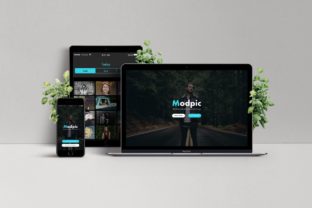
At its core, Edgar Creative is a design system packaged as a Sketch theme. It is built around a minimal aesthetic, which means it prioritizes clean lines, generous whitespace, restrained typography, and functional layouts. The three color variants give you flexibility without forcing you to start from scratch each time. You get a light version, a dark version, and a third alternative that sits somewhere in between—each one fully editable, each one consistent in structure.
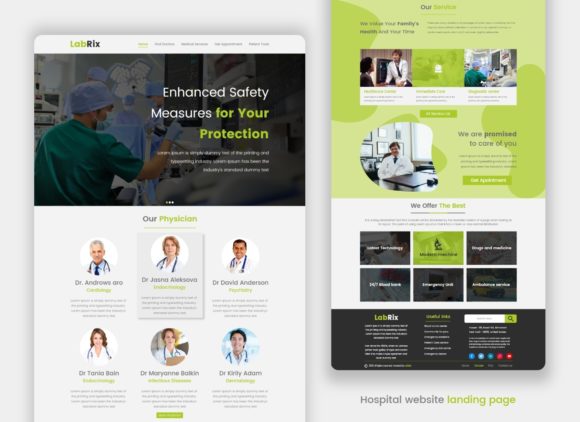
The 18 artboards and 18 pages are not arbitrary numbers. They represent a structured approach to common design needs: landing pages, portfolio sections, blog layouts, contact pages, service showcases, and similar components that appear in professional websites and app interfaces. Each artboard is a self-contained page, but they are also designed to work together as part of a cohesive system. This means you can mix and match components, reuse styles, and maintain visual harmony across an entire project without manually adjusting every element.
The inclusion of free Google Fonts is a practical decision. Licensed fonts can be expensive, and embedding custom typefaces into a Sketch file often creates compatibility headaches. By using Google Fonts, Edgar Creative ensures that anyone who opens the file can see the typography as intended, without missing fonts or fallback issues. This is a small detail, but it is exactly the kind of detail that saves time in collaborative or handoff scenarios.
Who Benefits Most from a Theme Like This
It is tempting to think that pre-built themes are only for beginners, but that assumption misses the point. In reality, designers and developers at every experience level use theme packages—they just use them differently. A junior designer might rely on the file as a learning tool, studying how layers are organized, how spacing is calculated, and how color variants are structured. A seasoned professional, on the other hand, might use the same file as a starting point to bypass repetitive setup work, freeing up mental energy for higher-level creative decisions.
Business owners and entrepreneurs who commission design work can also benefit indirectly. When a designer uses a well-built theme like Edgar Creative, the project timeline often shortens, the consistency improves, and the final output tends to be more polished. For someone who needs a website or app interface quickly—perhaps for a product launch, a rebrand, or a marketing campaign—the difference between a custom design built from scratch and one built from a quality theme is often invisible to the end user, but very visible in the budget and timeline.
Content creators, freelancers, and agency teams also find value in this kind of package. If you handle multiple client projects in a given month, you cannot afford to rebuild the same structural elements over and over. A theme that gives you 18 artboards with 100 editable layers means you can adapt the same foundation to different brands, different color schemes, and different content types without repeating the same tedious setup work.
Real-World Scenarios and Applications
Imagine you are a freelance designer who just landed a contract for a small business website. The client wants a clean, modern look, but they do not have a large budget for extensive custom design work. You open Edgar Creative, choose the color variant that aligns with their brand direction, and start populating the artboards with their content. Because the layers are fully editable, you can adjust spacing, swap images, change typography weights, and modify the color palette without fighting the file structure. What might have taken two or three days of setup now takes a few hours, and you can devote the remaining time to refining the details that actually matter to the client.
Or consider an in-house designer at a startup that is iterating rapidly on its product landing page. The team needs to test multiple visual approaches—maybe a light theme for the main site and a dark theme for a special campaign. With three variants built into the same file, you can switch between them, compare layouts side by side, and present options to stakeholders without maintaining separate files that inevitably drift out of sync.
Another scenario: a design educator preparing materials for a class on interface design. Instead of building example files from scratch, they can use Edgar Creative to demonstrate layer organization, responsive thinking, color system management, and typographic hierarchy. Students can inspect the file, see how the variants are constructed, and learn by editing real components rather than abstract exercises.
Strengths That Stand Out
Several characteristics make Edgar Creative worth considering, especially for professionals who value efficiency and reliability. The first is the 100 percent editable layers and layouts. Some theme packages lock elements or use complex nested symbols that are difficult to modify without breaking the entire design. Edgar Creative avoids that trap. Every layer is accessible, every text element is live, and every shape can be adjusted. This might sound like a basic expectation, but anyone who has worked with overly rigid templates knows how rare and valuable true editability actually is.
The sharp pixel quality is another practical strength. When you zoom in, elements hold their edges. Text remains crisp. Icons and lines stay clean. This matters because design files are often shared with developers who need to inspect the details, or with clients who view mockups on high-resolution screens. A file that looks good at 100 percent but falls apart at 200 percent is not truly production-ready.
The three color variants are not just cosmetic. They are structured so that switching between them updates the entire system consistently. This is useful for designers who work on both light and dark interfaces, or who need to present multiple branding options without rebuilding the layout each time. It also helps when a client is unsure about their color direction—you can show them real alternatives that feel complete, not just rough sketches.
Considerations and Limitations
No theme is perfect for every situation, and being honest about limitations helps you evaluate whether Edgar Creative fits your specific needs. Because it is a Sketch file, it is native to that ecosystem. If you work primarily in Figma, Adobe XD, or another tool, you would need to convert the file, and some fidelity may be lost in translation. The theme is also designed around a minimal modern aesthetic, which means it may not suit projects that require ornate, decorative, or heavily branded visual styles. Its strength is restraint, and that is not the right approach for every brand.
Another consideration is the number of artboards. Eighteen pages cover a lot of ground, but they are not exhaustive. If your project requires highly specialized layouts—such as a complex e-commerce product page, a data dashboard, or a multi-step onboarding flow—you may need to extend the system yourself. The theme gives you a solid foundation, but it does not pretend to be a complete design system for every conceivable use case.
There is also the question of originality. Using a pre-built theme means your starting point is the same as anyone else who purchases the same package. The final result, however, depends entirely on how you customize it. The layers are fully editable, so you have the freedom to transform the file into something unique. The theme is a starting line, not a finish line. If you treat it as a shortcut to a finished design without any adaptation, the outcome will feel generic. But if you use it as a structural foundation and bring your own content, imagery, typography choices, and brand voice, the result is yours.
Practical Guidance for Evaluating Suitability
Before you decide whether Edgar Creative is right for a particular project, ask yourself a few questions. First, does the project require a clean, minimal visual language? If the answer is yes, this theme is likely a strong candidate. Second, do you need multiple color variations or the ability to present light and dark versions? If so, the three built-in variants save significant time. Third, is your workflow Sketch-native? If you use Sketch as your primary design tool, the file will work seamlessly. If you use another tool, factor in conversion time and potential quality loss.
Also consider the scale of your project. For a single landing page or a small portfolio site, 18 artboards offer more than enough structure. For a large-scale project with dozens of unique page types, you may need to build additional components on top of what the theme provides. That is manageable, but it is worth knowing upfront so you can plan accordingly.
Finally, think about collaboration. If you work with a team, the editability and organization of the file become critical. Layers that are clearly named, grouped, and structured make it easier for multiple people to work on the same file without confusion. Edgar Creative's 100 editable layers and layouts support this kind of collaborative use, provided your team is consistent about how they modify and extend the system.
The Value of a Thoughtful Starting Point
Design is not just about making things look good. It is about solving problems, communicating ideas, and creating experiences that work for real people. A theme like Edgar Creative does not replace your creativity or your judgment. It replaces the repetitive, mechanical parts of the design process so you can focus on the parts that actually require your expertise. The 18 artboards, the three variants, the clean typography, the editable layers—these are not features to impress you on paper. They are tools that, when used well, help you do better work in less time.
For professionals who value efficiency without sacrificing quality, that tradeoff is worth paying attention to. Whether you are building a client website, designing a personal portfolio, teaching a class, or prototyping an app, starting with a solid foundation changes how you spend your creative energy. Edgar Creative offers that foundation, and it lets you decide what to build on top of it.