Monto Minimal Sketch Template: A Strategic Foundation for Designers and Developers
When you work with visual tools day after day, small inefficiencies compound. A misaligned layer, an inconsistent spacing system, or a font choice that looked right at first but fails under scrutiny can derail a project. The Monto Minimal Sketch Template addresses these friction points directly. It is not simply a starting point. It is a structured environment built to reduce decision fatigue while preserving creative freedom. For designers and developers who value precision, this template offers a deliberate alternative to starting from scratch or relying on bloated UI kits that obscure more than they clarify.
What the Monto Minimal Sketch Template Actually Provides
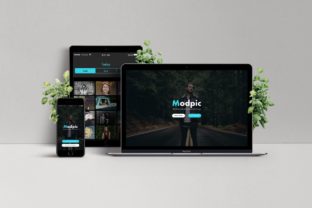
The template arrives as a high-quality Sketch file with sharp pixel quality, editable layers, and thoughtfully arranged layouts. It uses free Google Fonts, which removes licensing concerns and keeps project costs predictable. Every layer is accessible and adjustable. Nothing is locked behind unnecessary masks or grouped in ways that force you to dig through obscure naming conventions. The structure reflects the needs of professionals who need to move fast without sacrificing detail.
This is not a collection of flashy, unusable mockups. It is a minimal theme, which means the emphasis is on clarity, spacing, and typographic hierarchy. The modern minimal approach focuses on what communicates most effectively. Every element earns its place. For a developer, this translates to cleaner handoffs. For a designer, it means the freedom to iterate without fighting the file itself.
How Thoughtful Use Supports Strategic Goals
Using the Monto Minimal Sketch Template strategically means treating it as more than a shortcut. It becomes a tool for alignment across your entire workflow. Consider the goal of brand consistency. When your template enforces consistent spacing, type scales, and grid structures, every page you design reinforces the same visual language. This consistency builds recognition and trust with your audience over time.
For entrepreneurs and small business owners, this is especially valuable. You may not have a dedicated design team. A well-structured template lets you produce polished materials without needing to master every nuance of layout design. The time saved on repetitive decisions can be redirected toward strategy, customer research, or refining your offer.
Freelancers and agencies also benefit from the predictability a minimal template provides. When you onboard a new client, you can present work that already looks considered. You spend less time explaining rationale for spacing choices and more time discussing the actual problem you are solving. That shift changes the conversation from aesthetics to outcomes.
Planning and Positioning with a Minimal Foundation
Positioning your work or your brand requires clarity. A cluttered template invites clutter in your message. The Monto Minimal Sketch Template forces you to decide what matters. If you are building a landing page, a portfolio, or a product interface, the minimal structure acts as a constraint that clarifies your priorities. You cannot hide behind decorative elements. The content and the user journey become the focus.
When planning a new project, consider starting with the template as a content-first tool. Map your copy into the layout before refining visuals. This approach reveals gaps in your message early. You may discover that a section you thought was essential does not fit the natural flow. That discovery is far less painful at the template stage than after full production.
For marketers and creators who produce multiple assets each week, the template becomes a repeatable system. You develop a rhythm. Each new piece starts from a known position, so you can focus on what is unique about that specific communication. Over time, this builds a library of work that feels cohesive without being identical.
Practical Applications Across Different Roles
The best way to understand the template is to place it in real contexts. A blogger launching a personal brand might use it to structure a clean article layout with consistent headings, pull quotes, and image placements. The result is a reading experience that feels professional without overwhelming the content.
A developer building a component library can use the template to define spacing and typography tokens before writing a single line of code. The visual decisions made in Sketch translate directly into CSS values. This reduces the back-and-forth that often slows down design-to-development workflows.
An educator creating course materials can rely on the template to produce slide decks, worksheets, and downloadable guides that maintain a unified look. Students benefit from the clarity, and the educator saves hours of formatting time.
A product manager exploring an early concept can use the template to create wireframes that communicate function without getting distracted by visual polish. Stakeholders see the structure, not the decoration. Decisions get made faster.
When to Use and When to Pause
The Monto Minimal Sketch Template works best when your project benefits from restraint. Brand identity work, content-heavy sites, portfolio presentations, and internal tools all respond well to a minimal foundation. If your goal is to test an idea quickly or align a team around a shared visual language, this template supports that.
However, there are situations where starting with a minimal template may not serve you well. If your brand relies heavily on ornate illustration, dense texture, or highly unconventional layouts, forcing a minimal structure could dilute your identity. In those cases, use the template as a reference for spacing and typography rather than a strict container.
Another scenario to consider is when you are still exploring your visual direction. If you have not yet defined your typography scale or core spacing rhythm, a minimalist template may feel too sparse. It works best when you bring your own decisions about color, imagery, and tone. It is a structure, not a personality.
Risks of Using a Template Without Clear Goals
Any template, including this one, carries a risk if used without intention. The danger is not that the template limits you. The danger is that you adopt its defaults without questioning whether they serve your specific audience or message. You might keep a type size that feels safe but does not create enough contrast. You might follow a grid that works for a general layout but fails to highlight your unique content hierarchy.
To avoid this, approach the template as a starting point for interrogation. Ask yourself: does this spacing support readability for my audience? Does this column width work for the amount of text I actually have? Is the visual hierarchy aligned with what I want people to notice first? Answering these questions turns the template from a crutch into a strategic asset.
Another risk is over-reliance. If every project you produce uses the same layout structure without variation, your work may begin to feel generic. The solution is to use the template as a baseline, then introduce intentional deviations. Change the grid for a specific section. Adjust the type scale for a special campaign. The template should serve your goals, not define them.
Practical Planning Tips for Long-Term Results
To get the most from the Monto Minimal Sketch Template over time, treat it as a living system. Start by customizing the text styles and layer styles to match your brand guidelines. Do this once at the beginning of a project or when you first open the file. That small investment pays back every time you create a new page.
Set up your own symbol library within the template for repeated components such as buttons, cards, and navigation elements. This keeps your output consistent and makes global changes possible in seconds. When you update a symbol, every instance updates. That is the kind of efficiency that frees you to focus on bigger decisions.
Review your template use after each major project. What worked? What felt restrictive? What adjustments would make the next project smoother? These reflections turn a static file into an evolving tool that grows with your skills and your business needs.
For teams, establish a shared naming convention for layers and artboards. This reduces confusion when multiple people work in the same file. It also makes it easier for developers to inspect the file and extract the values they need. The clarity you build into your template propagates through the entire production process.
Connecting the Template to Customer Experience and Operations
The choices you make in a design template eventually reach your customers. A clean, well-structured layout reduces cognitive load. Visitors find what they need faster. They feel the difference between a site that was carefully considered and one that was assembled hastily. This is not about decoration. It is about respect for the user time and attention.
From an operations perspective, a minimal template reduces the number of decisions required for each new asset. This lowers the friction in your content production pipeline. When you can produce a high-quality page in less time, you can publish more frequently or allocate those saved hours to research, testing, or improvement. Over weeks and months, that efficiency compounds.
For decision-makers evaluating tools and workflows, the cost of the template is minimal compared to the time it saves. A high-quality Sketch file with editable layers and sharp pixel output eliminates the need to rebuild common layouts repeatedly. That is a direct operational gain that shows up in project timelines and team morale.
Strategic Observations for Getting the Most out of the Theme
The Forever Creative theme, as part of this offering, reinforces the idea that good design tools should support long-term use. You are not buying a one-off layout. You are investing in a system that can adapt as your needs evolve. The template is designed to be remixed, extended, and reused across different contexts. That is what makes it strategic rather than just convenient.
One approach that experienced designers use is to treat the template as a design system prototype. Define your color palette, type scale, and spacing rules within the file. Then use those rules to generate new pages. Over time, the template becomes a reference document for your entire visual identity. New team members can open the file and understand the logic behind every decision.
Another observation is that minimal templates often reveal the quality of your content. When you strip away excessive decoration, the writing, the imagery, and the user flow have to carry the weight. This can be uncomfortable at first, especially if you are used to relying on visual embellishment. But it also forces you to improve the substance of your work. That is a long-term advantage that no amount of decoration can replace.
Making the Decision to Adopt a Minimal Template Approach
If you are weighing whether the Monto Minimal Sketch Template fits your workflow, consider your actual bottlenecks. Are you spending too much time on layout decisions that do not move your project forward? Do you struggle to maintain consistency across multiple pages or projects? Do you need a tool that helps you communicate ideas quickly to developers or clients? If yes, then a minimal template is likely a wise investment.
Conversely, if your work requires maximum visual variety and you have the resources to create every layout from scratch, you may not need a template. But for most professionals especially those balancing multiple responsibilities a template that provides structure without imposing limitations is a practical advantage.
The Monto Minimal Sketch Template offers that balance. It is precise enough to guide your decisions, flexible enough to accommodate different content types, and clean enough to support long-term use. When used with clear goals and a willingness to adapt, it becomes a foundation for better communication, faster workflows, and more consistent results. That is the kind of tool that pays for itself many times over.